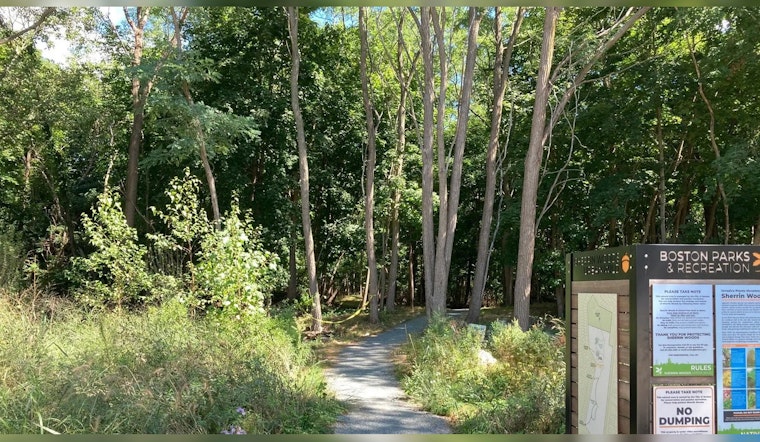
Urban expanses are increasingly encroaching on green spaces, prompting cities to prioritize environmental preservation. A recent example is the inclusion of Boston's Urban Wilds Program in the Forests in Cities Network, an effort enriching city-wide cooperation to safeguard shared natural resources as reported by the Boston's News.
Coordinated by the Boston Parks and Recreation Department, Mass Audubon, and Boston University, the Urban Wilds Program manages 31 natural areas within the city, providing natural habitats, recreational spaces, and outdoor education sites. Despite the challenges associated with the program, such as ensuring accessibility and maintaining ecological integrity, joining the Forests in Cities Network offers Boston the chance to share its experiences and learn from the practices of other cities in terms of land protection.
Earlier today, the Urban Wilds Program aimed to protect natural urban spaces from threats, promote conservation, provide environmental education, and advocate for the stewardship of urban wilds. Its new membership boosts its capabilities by joining a national network that fosters forest conservation and protection through partnerships, scientific research, and communication strategies.
Due to this nationwide network, multiple teams that include government, academic, and non-profit partners are allowed to collaborate on similar tasks. Such cooperation enables the sharing of knowledge and experiences and allows for joint large-scale research projects. Consequently, member cities of the Forests in Cities Network can more effectively champion sustainable forestry conservation and management practices, supporting each city's commitment to environmental justice.
As noted by Paul Sutton, Boston's Urban Wilds director, the program recognized the opportunity for this collaboration in the winter of 2021-2022 and has since prepared a team to apply for membership. Its inclusion in the working group affirms a collaboration with natural area practitioners across the nation, enhancing their work and making it more valuable and accessible to residents.