The Massachusetts Department of Public Health (DPH) recently issued a report advocating for enhanced regulations within the cannabis industry. This comes in direct response to the death resulting from work-related asthma, a first in the United States, that occurred in 2022. Accordingly, the DPH urged healthcare providers to diligently identify and report any instances of work-based asthma among cannabis industry workers, stated the agency's press release.
In partnership with the Occupational Safety and Health Administration (OSHA), the DPH undertook an inquiry into the circumstances surrounding the tragic incident. The victim was a 27-year-old production technician who experienced a fatal asthma attack while working at an indoor cannabis cultivation and processing facility. This unfortunate event occurred just seven months into her employment, merely three months following her assignment as a flower technician, where she frequently handled whole and ground cannabis flower buds.
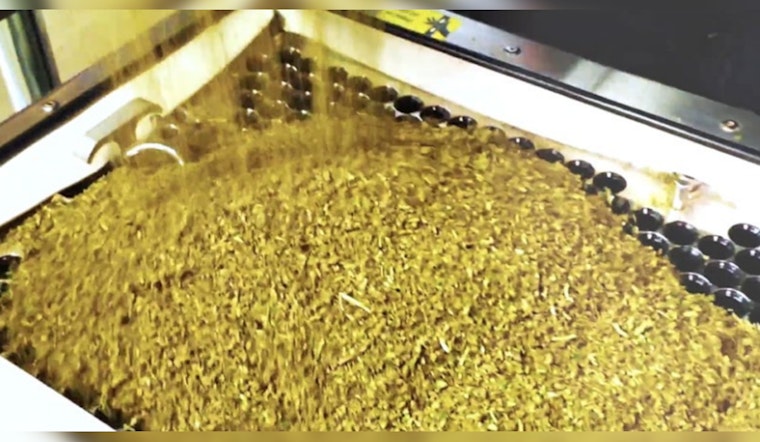
Only one asthma-related fatality has been reported in the cannabis industry, but non-fatal reports of respiratory diseases among Massachusetts' cannabis industry workers have surfaced. Workers in this industry are often exposed to a variety of respiratory hazards, such as cannabis dust, mold, volatile organic compounds, pollen, bacterial endotoxins, pesticides, soil components, and cleaning disinfectants, which, if not handled properly, could potentially worsen chronic conditions like asthma. The Massachusetts cannabis industry employs over 22,000 workers across more than 500 licensed employers, the press release further detailed.
As stated by Public Health Commissioner Robert Goldstein, MD, PhD, "The legalized cannabis industry in Massachusetts is relatively new, and the impact on the health and safety of workers demands our careful attention." He stressed the need for collaboration between state and federal agencies, regulators, healthcare providers, and the cannabis industry to ensure safe working conditions for employees. He added that the DPH will continue to monitor work-related respiratory disease cases using its robust public health surveillance system.
Clearly, proactive systems and guidelines are in place, yet the implementation factor remains concerning. According to the National Institute for Occupational Safety and Health (NIOSH), up to 58 percent of adult asthma cases nationwide are work-related, revealed NIOSH data. Additionally, data from DPH's Occupational Health Surveillance Program suggests that an estimated 200,000 adults within Massachusetts are suffering from work-related asthma. Early recognition and reporting of such cases could lead to crucial medical and workplace interventions, thereby improving patient outcomes and reducing health hazards.
The DPH report outlined six recommendations for cannabis employers, equipment manufacturers, and the state's Cannabis Control Commission for the improvement of cannabis industry workers' health and safety. The recommendations include assessing control measures for hazardous materials in the workplace, ensuring adequate worker training, implementing a comprehensive safety and health program, and enabling a medical surveillance program to track worker health. They have also motivated equipment manufacturers to adopt the "Prevention through Design" (PtD) concept to mitigate potential equipment-related hazards through design alterations.
As noted by Emily Sparer-Fine, Director of DPH's Occupational Health Surveillance Program, it is of utmost importance that these recommendations are followed promptly. She highlighted that "work processes that include grinding and concentrating an allergen need to be better controlled," as cannabis workers are exposed to hazardous materials like cannabis dust at a level far beyond that of a recreational user. It's time for employers, healthcare providers, regulators, and government agencies to cooperatively foster an environment centered around the health and safety of a rapidly expanding workforce.