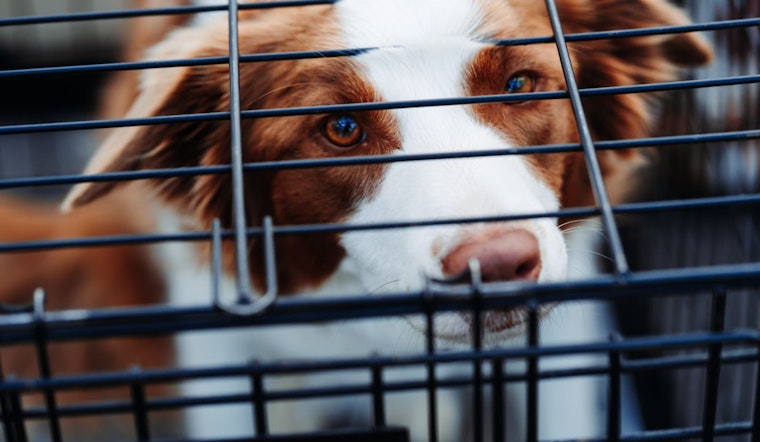
Massachusetts lawmakers have introduced bills targeting pet shop regulations, intending to ban the sale of dogs, cats, and rabbits that don't come from shelters or rescue organizations. The move has initiated a contentious discussion between animal rights activists and certain pet shop owners who vouch for their partnerships with ethical breeders, as reported by NBC Boston and Vermont Public.
Senator Patrick O'Connor and Representatives Natalie Higgins and Kimberly Ferguson proposed two bills (S 549 / H 826) to prevent newly opened pet stores from selling dogs, cats, and rabbits, unless sourced from shelters or rescue organizations. O'Connor additionally refiled a standalone legislation (S 550) to inflict to impose these limitations, on all pet stores including those already established.
Animal welfare advocates back these measures, claiming that several pet stores procure their animals from out-of-state, USDA-licensed commercial breeding facilities with unfit care and breeding standards. This claim was underscored by Senator O'Connor during a hearing earlier today.
Contrarily, certain pet shop owners and industry lobbyists disapprove of these bills, articulating that responsible breeders are still in collaboration with retailers, abiding by standards, protocols, and accountability measures for humane animal treatment. Pet shop owner John Mellace reiterated that these breeders offer warranties and guarantees on the health of their sold animals.
All these have been stirred by reports concerning inadequate veterinarian care, restricted living conditions, and extreme temperatures at puppy and kitten mills - all outlined by Senator O'Connor. Animals bred under such harsh environments often suffer from severe medical or behavioural health issues, leading to high veterinary costs for uninformed buyers.
The debate also meshes with consumer protection. The Humane Society has received countless complaints from pet owners who incurred thousands in veterinary care for their unhealthy pets. While local bans on retail pet sales are in place in 13 Massachusetts communities, including Springfield and Pittsfield, former attempts at state-wide legislation have fell short. The Massachusetts' Joint Committee on Environment and Natural Resources is also contemplating bills aimed at banning fur product sales and further regulation of animal conditions at boarding kennels and pet daycares.