

























































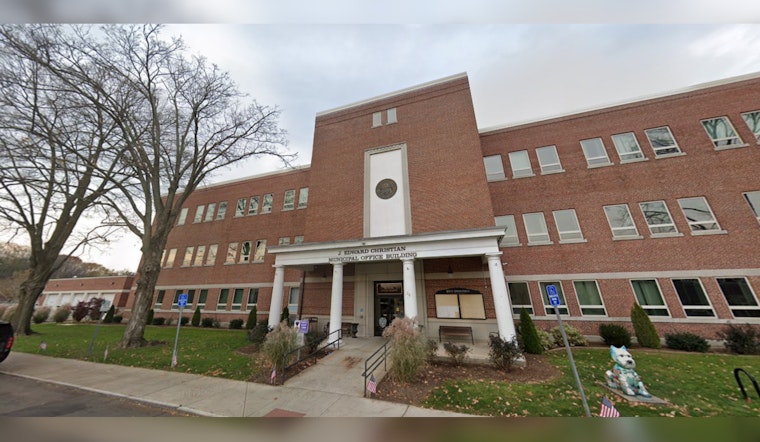
Increasing instances of phone scams have been recorded, primarily exploiting a method known as "spoofing." This technique allows criminals to impersonate individuals or trustworthy organizations via Caller ID manipulation, often leading to deception. Recently, it was detected that even the United States Marshals have been targeted in such scams. An alert from the Facebook post yesterday discussed that scammers have been manipulating official government phone numbers to deceive the public according to West Springfield Police Department.
The warning highlighted that scammers have been contacting individuals, falsely claiming to be from the U.S. Customs and Border Protection (CBP), as well from the U.S. Marshals Service in Massachusetts. The criminals use pre-written scripts that contain personal information of potential victims, such as addresses, real estate ownership, relatives, etc., sourced from public databases. The scammers fabricate situations regarding suspicious packages containing illegal substances or weapons found at the Texas border to instill fear and, hence, gain victims' trust. After establishing trust, the scammers then try to steal sensitive bank details from victims.
The particularly harmful aspect of these scams is the use of "spoofing" technology. This enables the scammers to display the actual phone number of the US Marshals Office in Boston on the victim's Caller ID, lending a degree of legitimacy to their schemes. The West Springfield Police Department highlighted that such scams are fraudulent attempts to collect personal and financial details from unsuspecting individuals.
The public can employ multiple protective measures, as suggested by the U.S. Marshals Service:
- U.S. Marshals never seek credit/debit card numbers, gift card numbers, wire transfers, or any banking details.
- Never reveal personal or financial information to unidentifiable callers.
- All scam calls should be reported to the local FBI office and the Federal Trade Commission (FTC).
- Reporting can be done anonymously.
Those who receive suspicious calls claiming to come from the U.S. Marshals Service or other government agencies should contact the appropriate office to verify the call. This action can help individuals steer clear of potential scams and avoid potential financial losses.
To counter these phone scams, the U.S. Marshals Service is implementing measures. They encourage public vigilance and prompt reporting of fraudulent activities via the FBI's Internet Crime Complaint Center at www.ic3.gov or to the Federal Trade Commission (FTC) at www.reportfraud.ftc.gov for any internet, business, or phone scams.





