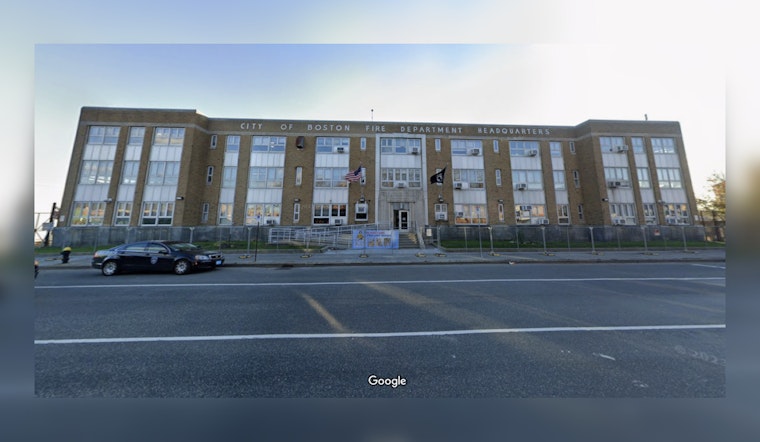
Yesterday, with dropping temperatures and winter's approach, a house fire in Revere brings attention to the necessity for home heating safety. Fire officials in Massachusetts prompted residents to take adequate heating precautions following a Revere house fire due to furnace failure, according to The Department of Fire Services.
Fire Marshal Jon M. Davine, states that heating equipment is the chief origin of carbon monoxide and the second cause of residential fires in homes within Massachusetts. Over 6,000 heating-related fires have taken place in the past five years, causing eight deaths, injuring over 140 residents and firefighters, and incurring damages exceeding $39 million, as per The Department of Fire Services.
Fire officials, in an effort to avert further tragedies, stress the necessity of operational smoke and carbon monoxide alarms on every level of home. Another crucial aspect is the annual professional review and servicing of heating devices like furnaces, water heaters, and oil burners. Also, Massachusetts residents dealing with heating-related costs could benefit from the state’s home energy assistance program (LIHEAP) which provides assistance with winter heating expenses and maintenance.
For homes using natural gas and oil as heating mediums, it's essential to maintain a three-foot "circle of safety" around heating appliances and clearing it of flammable items. Additional safety measures recommend non-storage of painting materials, aerosol cans, and other inflammable items close to heating equipment. Also, gas smells should be reported to emergency services immediately, as reported by The Department of Fire Services.
Those relying on fireplaces or stoves for warmth, should use a fireplace screen or a closed stove door aims to confine sparks and embers. Regular inspections and cleaning of chimneys and flues are necessary to prevent chimney fires as it eliminates burning creosote, a harmful substance that builds up naturally. Professional chimney cleaning services provided by Massachusetts Chimney Sweep Guild or Chimney Safety Institute of America can be useful in this regard.
When using space heaters, ensure they are at least three feet away from flammable items, like curtains and bedding. Plugging them straight into the wall socket instead of an extension cord or power strip is recommended. Space heaters tested and labeled by well-recognized firms such as Underwriters Laboratories (UL) or Intertek (ETL) are likely to have better safety features, including automatic shut-off mechanisms. Fire Marshal Davine equally cautioned against use of unvented kerosene space heaters and portable propane space heaters due to their high fire and carbon monoxide risk.
Creating a comprehensive home escape plan in case of emergencies is another critical aspect of home safety. Every plan should incorporate two exits from every room, along with alternate exits for children, older adults, and individuals with disabilities who may require help during emergencies 1. Resources such as the "Keep Warm, Keep Safe" toolkit by the Department of Fire Services provide crucial information and guidance on maintaining home heating safety and emergency planning, as mentioned by The Department of Fire Services.