

























































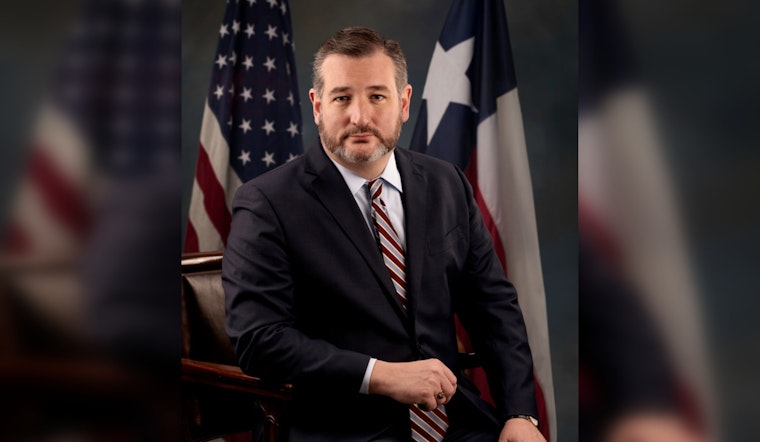
Senator Ted Cruz, who is regularly known by his middle name over his legal name Rafael Edward, has lit a fire under the ongoing debate on gender pronouns and identity with the introduction of his latest legislative curveball, the "Safeguarding Honest Speech Act." The bill, aimed squarely at controlling the usage of pronouns and names in the Federal sphere, states a clear prohibition on federal funds for enforcing policies that require the use of an individual's preferred pronouns over their legal name. This proposal strikes at the heart of a socially charged issue while Cruz himself seems to bypass his own legal identity for everyday use.
Introduced in tandem with U.S. Rep. Andy Ogles of Tennessee, the bill has been dissected by LGBT advocates and critics, who find irony in its intent, considering Cruz's common use of "Ted," a choice that seems to muddy his stance on the subject—Cruz stating, in a report by the Advocate, "Forcing anyone to use pronouns that don’t accord with a person’s biological sex is an unconstitutional violation of the First Amendment." Further, the senator fixates on his understanding of the Supreme Court's precedent that no official can set the standard for what is considered orthodox across various domains of personal expression.
GLAAD's president and CEO Sarah Kate Ellis spoke to an LGBT news source, pointing out the paradox in Cruz's bill, suggesting, "Anti-LGBTQ extremists attempting to erase trans people by purposely ignoring their pronouns, gender, and authentic name are nothing new," further highlighting Cruz's use of a name that veers from his birth certificate, a gesture she describes as deeply hypocritical when he's attempting to bar the federal use of an individual's authentic identity—an issue with broader implications on mental health and the wellbeing of those within the LGBTQ+ community, as reported by the Advocate.
The skirmish over identity is not limited to pronouns but envelopes the wider practice of deadnaming, a term signifying the painful act of using a transgender person's previous name against their consent, clumsily smashing through the barriers of personal liberty—the bill's critics quick to note this violation of personal autonomy, with Brandon Wolf of the Human Rights Campaign signaling the patent irony in Cruz's lawmaking, saying "The irony of Ted Cruz, who is known by his chosen nickname, attempting to use the government to police the names that others use is lost on no one," according to an interview with the Advocate, the bill in Wolf's eyes is nothing but an attempt to strong-arm into subservience under the guise of constitutional fidelity.
Cruz's proposed bill faces uncertainty in a Senate controlled by Democrats, as reported by the San Antonio Express-News. However, its impact extends beyond politics, diving into cultural conflicts and the ongoing fight for identity recognition. In this context, legal names serve as both a stabilizing force and a limitation.





