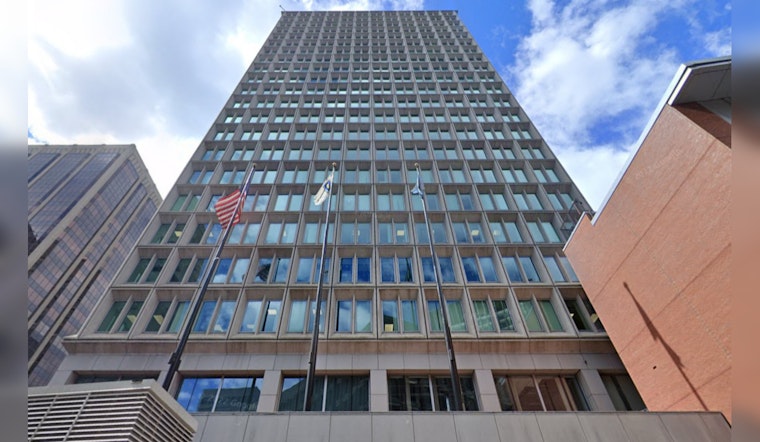
Boston is betting big on a greener future, with the Healey-Driscoll Administration rolling out a hefty $50 million to spruce up energy efficiency across Massachusetts public higher education institutes. This cash infusion, part of efforts to hit net zero emissions by 2050, is set for upgrades in the University of Massachusetts campuses, nine state universities, and 15 community colleges, according to the press release of Mass.gov.
It’s a gold rush, but instead of gold, it's energy savings and a cleaner climate in the coffers. Secretary of Administration & Finance Matthew J. Gorzkowicz said, "This investment in the Massachusetts public higher education system will benefit generations of students to come." A statement obtained by Mass.gov also highlighted that the move was possible thanks to partnership with the legislature and the utilization of the new 'Fair Share revenue'.
Commissioner of Higher Education Noe Ortega chimed in, with a nod to the long-term wins for sustainability on campuses. According to Mass.gov, these investments align with the goals of greater carbon efficiency, a priority among campus communities. There’s an undercurrent of urgency, with more than 235,000 students relying on these institutions, which are responsible for two-thirds of the carbon emissions in the state’s asset management portfolio. The fight against carbon is dearly priced, with roughly $26.5 million earmarked for the UMass system, approximately $11.6 million for state universities, and about $11.9 million for community colleges, divvied up based on square footage and carbon emission rates.
The goalposts are clear: By June 30, 2025, these institutions should be greener and leaner in energy use. Everything’s on the table, from energy efficiency projects that cut back on the need for fossil fuels to electrification efforts to building envelope repairs. Adam Baacke, Commissioner of the Division of Capital Asset Management & Maintenance (DCAMM), said, "We look forward to collaborating with the Commonwealth’s colleges and universities to deliver tangible improvements on every campus." His words, as per Mass.gov, echo a commitment to fortify the higher education system against the unpredictability of climate change.
As the state gears up to bequeath a cleaner world to tomorrow's leaders, a clean energy future seems within reach. Climate Chief Melissa Hoffer stated that these smart investments would lead to a trifecta of wins: energy savings, improved building performance, and a healthier environment for learning. The heightened focus will not only pay off in the form of resilience against the disruptive impacts of climate change but also demonstrate to students the importance of a clean climate mission.