

























































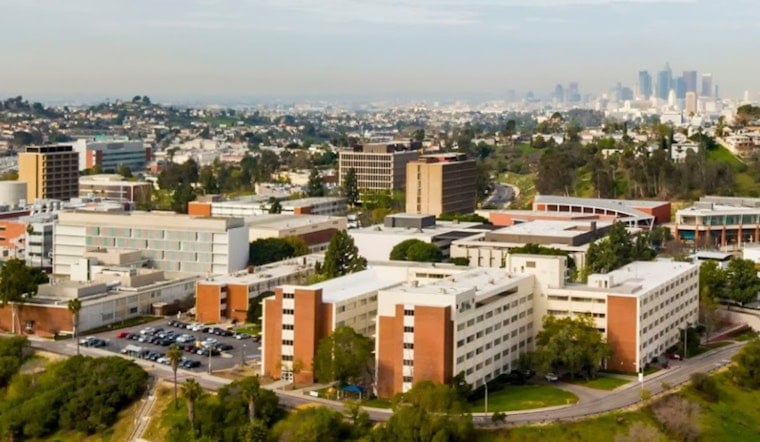
Faculty at Cal Poly Pomona kicked off a week of planned protests with a daylong strike earlier today, heating up a statewide dispute over wages within the California State University system. Professors, backed by the California Faculty Association (CFA), began picketing at 7 a.m., a show of force expected to last until 7 p.m., culminating with a rally at noon, according to details sourced from a CBS News report.
The call to action does not merely demand a 12% pay hike in face of rising living costs; it encapsulates a broader struggle for fair work conditions, including better parental leave and workload support. In anticipation of the walkouts, which are to quickly follow at San Francisco State, CSU Los Angeles, and Sacramento State, members of Teamsters Local 2010 are preparing to jointly strike in sympathy. This complex choreography of demonstrations is meant not just to disrupt the academic status quo but to also sharply question it, according to a statement to CBS News from the faculty union. In compelling fashion, they argue for "serious, fair and reasonable proposals" to address what they deem long-standing inequities.
Yet the CSU management's stance, as conveyed by Vice Chancellor for Human Resources, Leora Freedman, oscillates between conciliation and guarded austerity. While the administration professes commitments to fair pay and a willingness to meet numerous union demands, they argue a blanket 12% salary increase remains unsustainable for the system's financial health. "CSU strives to provide fair, competitive pay and benefits for all of our employees," Freedman indicated in a statement, mirroring the resolve with which the faculty have tabled their demands yet signaling the university's operational thresholds.
The negotiations skid into further complexity when observed through the lens of the students, whose academic year crescendos to the stress of final exams juxtaposed against the backdrop of their instructors' discontent. Union officials have asserted, as quoted by KTLA, that despite the strikes occurring during a critical academic period, the sympathy of the students not only remains intact but is convincingly on their side. This bond between educator and educated, often unexamined, now emerges luminous and palpable as the struggle unfolds.
Amidst conflicting narratives of fiscal feasibility and the heavy lies bare of economic realities, the faculty's plight for sustainability in their personal economies rings clear. CFA Sacramento president Anne Luna, in a statement picked up by KTLA, speaks to the gravity of the situation, "Our faculty are some of the lowest-paid educators in the state. They desperately need a lifeline." It is within this chasm of needs and means where the fight for fair compensation finds itself perched, a battle of attrition between the calculus of living and the ledger of the institution.



