

























































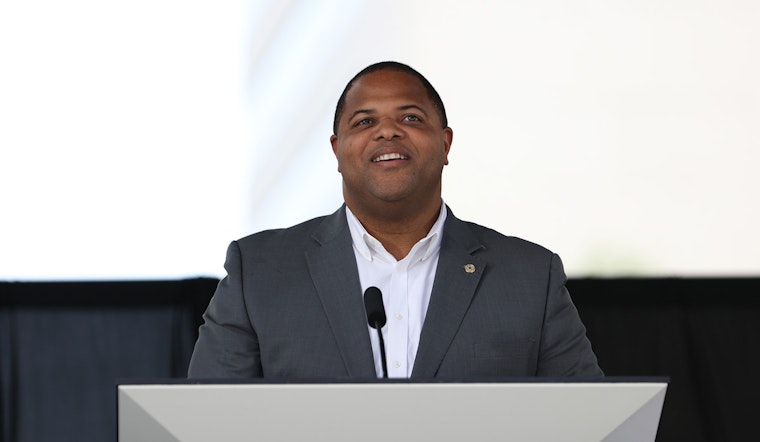
Dallas Mayor Eric Johnson highlighted police funding, park improvements, and street repair while giving less prominence to housing concerns in his State of the City address. "But historically, government is simply not good at playing the role of a housing developer," he commented on the municipal approach to housing, emphasizing investments in public safety and recreation. His speech, noted by The Dallas Morning News, omitted customary applause, aiming for a more straightforward discussion.
With a growing population and a shortage of affordable housing, Johnson suggested that enhancing parks and trails could attract private housing developers. He positioned the development of parkland as a strategy to draw in housing investments, envisioning the allure of open spaces as a catalyst for growth. This viewpoint was part of "an honest conversation about Dallas," as described by D Magazine in their coverage of his address.
Mayor Johnson, a Republican, boasted about tax reduction achievement under his administration, despite some recent partisan shifts. He highlighted the fall in violent crime, while downplaying an increase in murders this year, as KERA News reported. His emphasis on law enforcement efficiency seemed aligned with GOP priorities, although it may overlook broader, underlying social issues.
Johnson's proposed budget for 2025 includes reducing the general fund expenditure, claiming it will let taxpayers keep more of their earnings. "That’s because even in an uncertain world there are one thing you can count on; the wish list of city government bureaucrats will always grow," he stated, eschewing more complex issues like housing affordability. The bid for "real tax relief" was supported by a minority of the council, including Johnson, as detailed by KERA News.
As Mayor Johnson crafts a vision for Dallas, he prioritizes law enforcement, city aesthetics, and financial conservatism while the city's housing challenges remain a relatively untouched subject in his narrative. Johnson's stance on housing stands out less prominently against his broader agenda for the city's future.





