

























































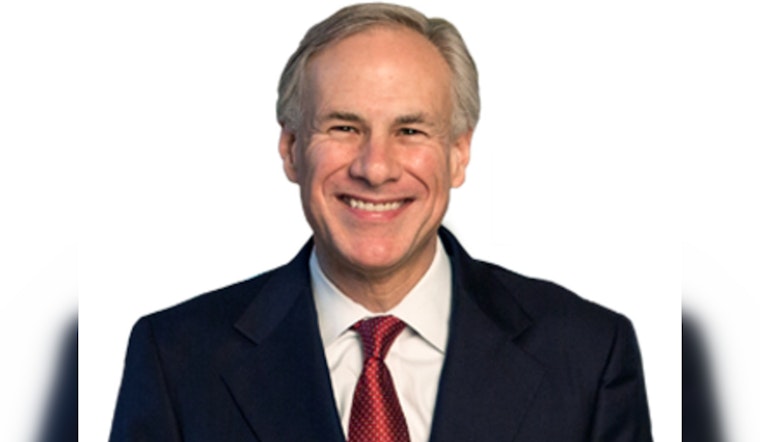
Gov. Greg Abbott has made a strategic move to reshape the future of juvenile justice in Texas, appointing nine distinguished professionals to the Texas Juvenile Justice Board. The selections are part of Abbott's ongoing efforts to enhance the state's approach to juvenile justice, focusing on community-centered rehabilitation and public safety. According to a press release from the Governor's office, the appointed members come with a diverse range of expertise from psychology and law to law enforcement and education.
The appointees include Joe Barton, Ph.D., a seasoned licensed professional counselor, and chief juvenile probation officer from Canyon, alongside Stephanie House, a school principal with a strong educational background, and Scott Matthew who holds a dual role as executive director and chief juvenile probation officer in Williamson County. These three professionals are committed to serving terms that conclude in early 2025. In their roles, they are expected to guide the Texas Juvenile Justice Department, and its mission to ensure that goals align with the needs of the youth and the safety of the public, not just through a punitive lens but by fostering environments that champion reformation over detention and the newfound possibility in paths once marred by mishaps and miscalculations.
Joining for terms ending in 2027 are William “Will” Durham, a criminal district attorney with a penchant for community service, Luis Leija, a juvenile probation officer with deep roots in gang prevention and regional training, and Manny Ramirez, a Tarrant County commissioner whose extensive law enforcement background underpins his dedication to juvenile justice. Their experiences paint a picture of a board that values a multifaceted approach to juvenile justice, one that understands the complexities of criminality and the molding of accountability with hope for Texas’s youth.
Finally, extending through to February 2029, Edeska Barnes, Jerry Bullard, and Cyndi Wheless bring their proficiency to the board, Barnes being a skilled facilitator, Bullard an attorney with a talent for pro bono work, and Wheless a presiding judge with a specialty in juvenile law they are poised to usher in a tenure of change and evolution in the way Texas addresses juvenile delinquency. These appointments announced by Abbott seal his vision of a rehabilitative system that places young offenders not in the shadows of a cell, but under the stewardship of a society that believes in second chances and corrective guidance.
Representing a range of cities across Texas, from McKinney to Huntsville, the team stands as a mosaic to the State of Texa's broader community, each member bringing their own unique experiences to the forefront in tackling the challenges within the juvenile justice system.





