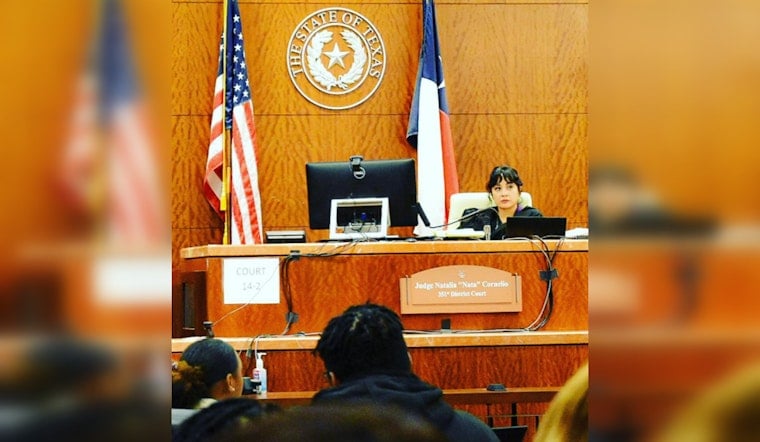
A recent accusation by prosecutors points fingers at Judge Natalia Cornelio for purportedly dragging on a capital case, as reported by the Houston Chronicle. Cornelio has yet to deliver a decision on Lewis’s intellectual disability claim, a factor that could potentially spare him from death row.
Joshua Reiss of the Harris County District Attorney’s Office claims that Cornelio's pattern of missed deadlines not only slows justice but also inflicts further agony on the families of Lewis’s victims, which seems at odds with this plea for the expedition. These accusations are contrasted by findings from the HuffPost, which details a damning report by the Wren Collective that seizes on the systemic failings of Harris County's death penalty cases.
The study by the Wren Collective, composed of former public defenders, examines 28 death row cases and unearths a pattern where defense attorneys, appointed by trial judges who control their paychecks, frequently overlook vital mitigating factors such as histories of abuse or intellectual disabilities and suffer from excessive caseloads that hinder their ability to adequately represent their clients, resulting in a disheartening number of death sentences. The "utterly broken" system, as the Wren Collective brands it, finds Harris County at a crossroads, guilty of churning out death penalties not due to the gravity of the crimes but rather due to defense lawyers encumbered by inherent conflicts of interest and a flawed indigent defense structure.
Defense lawyer Benjamin Wolff from the state’s Office of Capital and Forensic Writs calls for a judiciary that weighs evidence carefully and impartially, putting Harris County prosecutors in the hot seat for their supposedly impatient push, which Wolff suggests rivals not against delayed justice but against the notion of judicial independence and deliberation. The contrast is striking—an apparent impatience on one hand against a backdrop of entrenched structural inefficiencies on the other.
With the Houston Bar Association judicial evaluation poll indicating a need for improvement in Cornelio’s timeliness and the uproar from the legal community weighted against the sluggish progression of death row cases, the scrutiny on Harris County's criminal justice practices grows increasingly severe, facing a call for radical systemic changes to ensure that those who find themselves in the gravest of legal predicaments receive a defense not hindered by overburdened schedules but empowered by thorough, evidence-driven representation.