

























































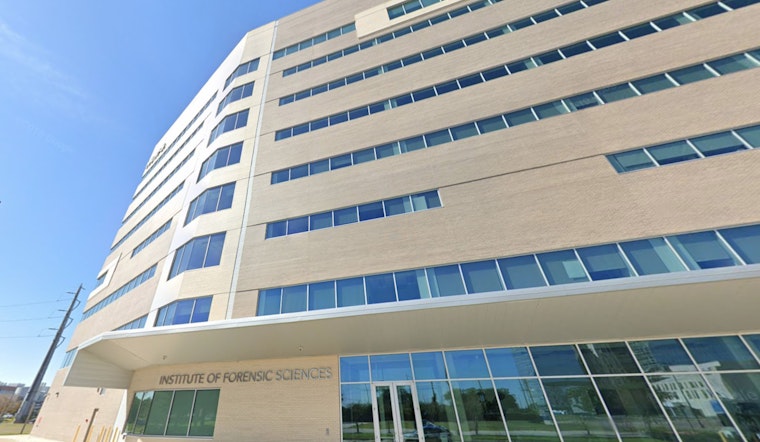
Harris County's crime-fighting toolkit is set to receive a $12 million cash injection from Uncle Sam to help the Institute of Forensic Sciences (IFS) expand its operations and combat a significant backlog of criminal cases, as announced by Congressman Al Green. According to ABC13, the funding is part of a broader $20 million project aiming to reduce the bottleneck that's been troubling the justice system and to keep pace with the bustling growth of the Houston area.
The cash boost is expected to help to vastly improve the IFS, paving the way for the medical examiner's office and crime lab services to join forces efficiently under one roof. "By addressing challenges in facility operations and advancements, we prioritize public safety and the evolving needs of the growing Houston community," Green stressed, as he laid out the vision for a modernized crime lab ready to swiftly process evidence—be it DNA or firearms related, as per ABC13. Commissioner Rodney Ellis pointed to the urgent need to quickly process cases to alleviate overcrowding at Harris County Jail, which he attributed to the backlogs lingering in the system
Chief Medical Examiner Dr. Luis Arturo Sanchez was quoted by Houston Public Media explaining how the grand will be instrumental in enhancing the output of the labs. "The new grant will enable IFS to increase our testing capacity, expand forensic services, and allow us to continue to provide timely information to law enforcement agencies and the courts," Dr. Sanchez stated with optimism.
The funding news comes not a moment too soon, as Mario Galioto, a Forensic DNA analyst at the IFS, illustrated the gravity of the issue, telling Houston Public Media, "Our average turn-around time for sexual assault cases is currently 81 days. And for homicides and death investigations, 96 days." Besides these staggering figures, Green also highlighted a grim side effect of the bottlenecks: extended waits for funeral homes due to overdue examinations of the deceased. It's clear the plan to modernize and streamline the facilities ties directly to addressing the real and often overlooked human costs imposed by extended backlogs.





