

























































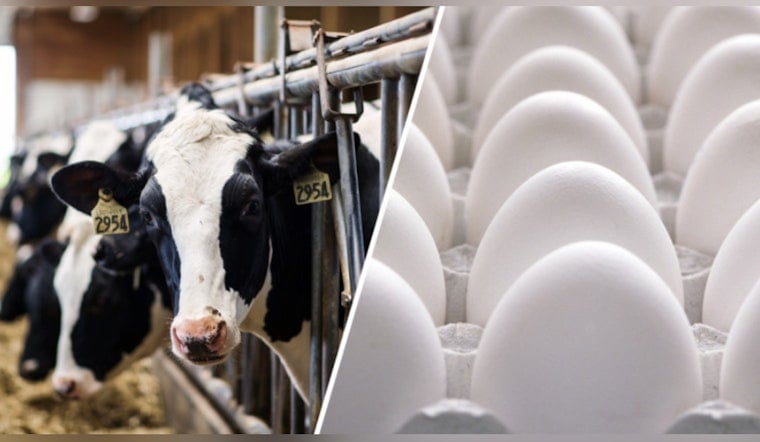
Highly pathogenic avian influenza A(H5N1) has turned up in a Texas dairy herd, prompting state and federal animal health officials to lock down the affected farm while they test animals and milk. The alert went up after sick cows showed noticeable drops in milk production in late May, which sent samples to the lab. Teams from multiple agencies are now on site, taking follow-up samples, running genomic sequencing and tracing where the virus may have come from.
Laboratory testing confirmed H5N1 in cows at an undisclosed Texas dairy after the animals became ill and milk output fell. The operation is now under quarantine as authorities work to map out the scope of the infection, as reported by FOX 26 Houston. Officials told local reporters this is the first confirmed case in a Texas dairy herd this year. Investigators are reviewing herd movements and additional samples to figure out how the virus got in.
The Texas Animal Health Commission’s HPAI resource page notes that the state has already seen detections of highly pathogenic avian influenza in poultry, wild birds and dairy cattle. The newly affected dairy premises is under quarantine while state veterinarians coordinate confirmatory testing with federal laboratories, according to the Texas Animal Health Commission. The agency is reminding producers to report sick animals quickly and stick to strict biosecurity measures while the investigation plays out.
What officials say about milk safety
The U.S. Food and Drug Administration says standard pasteurization effectively inactivates H5N1 and that commercially pasteurized milk and dairy products tested to date have not been found to contain infectious virus, according to the FDA. The agency’s guidance highlights research showing that routine pasteurization temperatures and times are sufficient to destroy the virus, and it cautions against using raw milk from symptomatic animals.
Public health risk remains low, CDC says
The Centers for Disease Control and Prevention is still tracking the situation but continues to say the risk to the general public is low. Sporadic human infections after animal exposure have been documented since 1997, and there is no evidence of sustained person-to-person spread, according to CDC guidance. The agency urges healthcare providers and public health officials to monitor people who have had direct animal exposures and to follow testing recommendations if flu-like symptoms develop.
Broader context and surveillance
Federal agencies first reported H5N1 in U.S. dairy cattle in March 2024 and set up a National Milk Testing Strategy along with Dairy Herd Status programs to keep tabs on milk and herds. Officials say those efforts help catch infections early and protect the commercial milk supply, per a USDA APHIS update. APHIS and state partners are sequencing virus samples to see whether new detections come from wild bird spillover or spread between herds.
What producers and consumers should know
Current guidance from state and federal officials calls on producers to isolate clinically ill cows, divert milk from symptomatic animals and consider enrolling in voluntary testing programs. The FDA and state animal health agencies recommend that raw milk from symptomatic herds not be used for human consumption or for making raw-milk cheeses. Farmworkers who handle animals are advised to use personal protective equipment and to seek medical advice if they develop symptoms consistent with influenza.
Agencies say more details will roll out as laboratory sequencing and on-farm investigations wrap up. For now, consumers are being told that pasteurized dairy products remain safe, while producers and workers stick with heightened biosecurity and testing protocols behind the farm gate.




