

























































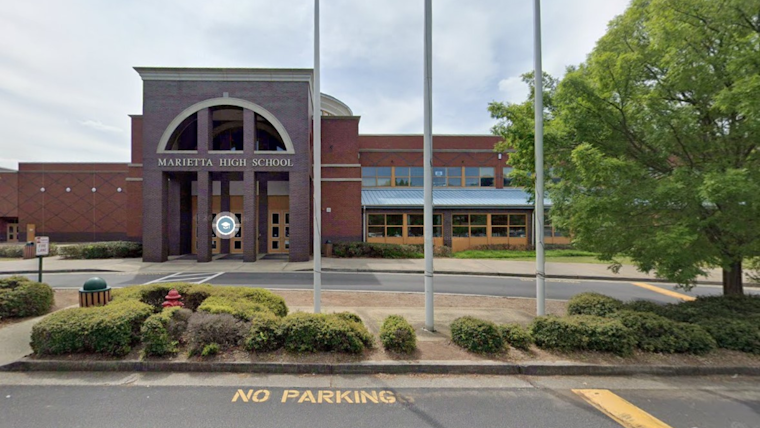
Two high school students in Marietta were rushed to the hospital after suffering chemical burns in a science lab gone wrong. The mishap unfolded on Thursday afternoon at Marietta High School, thrusting the institution into an emergency that temporarily put classes to a full stop, according to the FOX 5 Atlanta report.
The students, whose names have been withheld, were involved in an experiment with sulfuric acid and magnesium, which caused them to quickly be injured, as indicated by Marietta City Schools Superintendent Grant Rivera. "The concentration of the sulfuric acid may have been too high because the reaction occurred more abruptly than expected," Rivera explained. In response to the incident, the school was to strictly enforce its emergency protocol, restricting students to their classrooms while the affected students received medical care, as per Atlanta News First.
The precautions taken perhaps mitigated further harm; the injured students were wearing the necessary safety gear at the time of the accident. These safeguards included aprons and goggles. Despite this, the painful consequence of the unexpected chemical reaction serves to remind us of the potential hazards lurking in educational settings.
In the wake of the accident, Principal Marvin Crumbs responded by ensuring that an immediate investigation was carried out to thoroughly review the existing safety protocols. "We are reviewing safety protocols with the science department to prevent future incidents," Rivera affirmed. A letter penned by Crumbs to students and parents emphasized, "At no point was there a safety risk to other students in the classroom or school", per Atlanta News First.
Both students were discharged from the hospital the same evening, as noted by school officials. While the incident was contained without a broader threat, it has illuminated the ever-present need for vigilance and continuous education about safety in the science classroom.




