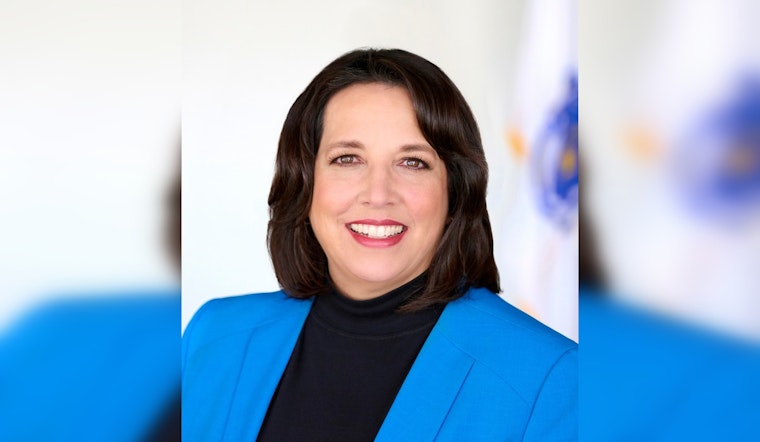
In what's being touted as a major shakeup, the Healey-Driscoll Administration in Massachusetts is bringing forth a hefty $65 million investment in the effort to overhaul early childhood education and care reimbursements. As the funds are slated to infuse the state's fiscal year 2024 budget, this initiative promises to set a new precedent in covering actual care costs, ensuring fair payment for providers, and contending with soaring operational expenses.
According to a press release from the Commonwealth’s Executive Office of Education, Governor Maura Healey has underlined the commitment to enhancing childcare affordability and accessibility, noting, “These proposed rate changes build on the significant reforms to child care financial assistance regulations and policies we launched earlier this fall, increasing affordability and equity for our low-income families and early education providers." The reform includes a 5.5 percent cost of living adjustment to rates across the board, which aims to close the financial chasms between different geographical areas, with emphasis on previously undervalued regions like Western Massachusetts.
The Healey-Driscoll strategy merges complex rate structures into three streamlined classifications, working off both market surveys and the actual cost of care to better mirror what providers need rather than what parents can shell out. Lieutenant Governor Kim Driscoll expressed excitement about the impacts these changes will unfurl across Massachusetts, potentially establishing the state as a leader in early child care standards. “I am excited to see more about the impact these transformative proposed changes could bring to our state, making Massachusetts a more affordable place to live, learn and work," she said.
Secretary of Education Patrick Tutwiler insists the objective is not simply to regress to pre-pandemic conditions but to propel forward, "we don’t just want to get ‘back’ to how things were before the pandemic—these proposed rate changes will help transform our state’s child care financial assistance system to be the child care financial assistance system that our students, families and early education care providers deserve." Outlined in these proposals is also an increase to at least 81% of the cost of care for rates that aren’t already at or above the 80 percent level, demonstrating a keen focus on better compensation in tandem with quality and equity.
The gestures are more than financial; they aim to dignify the experience of care, as per Early Education and Care Commissioner Amy Kershaw: “By changing our rates to better reflect the cost of care, with an intentional focus on equity, we are enabling our providers to better recruit and retain their staff and invest in high-quality initiatives without transferring those costs onto families.” Massachusetts steps out, ahead of the curve, integrating cost of care into child care financial assistance rate-setting, distinguishing itself from the national standard that relies solely on market rate surveys. The Board of Early Education and Care is set to cast votes on the new rate changes in January 2024, a pivotal moment for early education and care-structured finance in the state.