

























































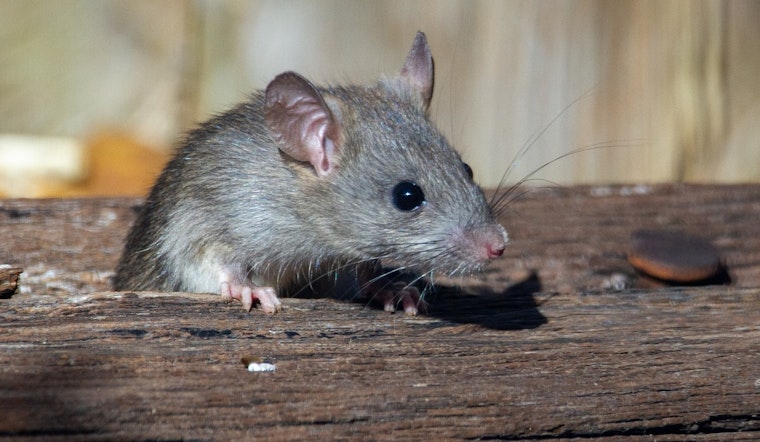
As the mercury dips in Minnesota, residents aren't just bundling up to keep warm—they're also contending with a surge of furry nuisances scurrying for shelter inside their homes. With a significant increase in rodent-related disturbances this season, local pest control companies are scrambling to respond to a bustling demand for their services, a phenomenon Beau Geer, owner of Xtreme Pest Solutions, describes as unprecedented in his two decades of experience. "I've been doing this for 20 years and I've never seen anything like it," Geer told CBS News Minnesota. In an effort to handle the flood of service requests, Geer has even brought on extra staff.
Warm weather trends have boosted rodent populations, notes Geer. Experts emphasize the importance of defensive measures, advising homeowners to seal any openings—a gap as small as a quarter inch can welcome mice, Beau Geer warned in a statement obtained by CBS News Minnesota—and to maintain proactive bait solutions to fend off these unwelcomed visitors.
Meanwhile, places like Tractor Supply Company are feeling the crunch, seeing staple mouse traps flying off the shelves faster than they can be restocked. Jacob Dion, representing the retail sector, isn't surprised by the shortage, citing increased customer inquiries and looming shipments hoped to satisfy the demand. He said, "Right now, what we have is on the shelves and we are expecting a shipment Tuesday," per CBS News Minnesota.
On a similar thread, BOGO Pest Control has reported a 30% uptick in mouse-related distress calls relative to last season. The company's quality assurance manager, Scott Dorn, told KARE 11, "The truth is they're nesting in your house all year round." A milder winter and a bountiful mast year, marked by an abundance of seeds and fruit from trees, shrubs, and bushes, created optimal conditions for rodents to flourish. Rodent invasions can be detected by signs such as droppings, sightings, and scratching noises within walls. To combat these pesky invaders, the plan's experts consist of sealing the very holes and laying traps strategically to cut off their movement, with a preference for higher elevations rather than direct ground placement.
In the face of this furry siege, pest control experts and homeowners alike are doubling down on mitigation efforts. Through fortification of domestic frontiers and timely intervention, they hope to reclaim their homes from these resilient, uninvited guests as Minnesota's winter saga unfolds.





