

























































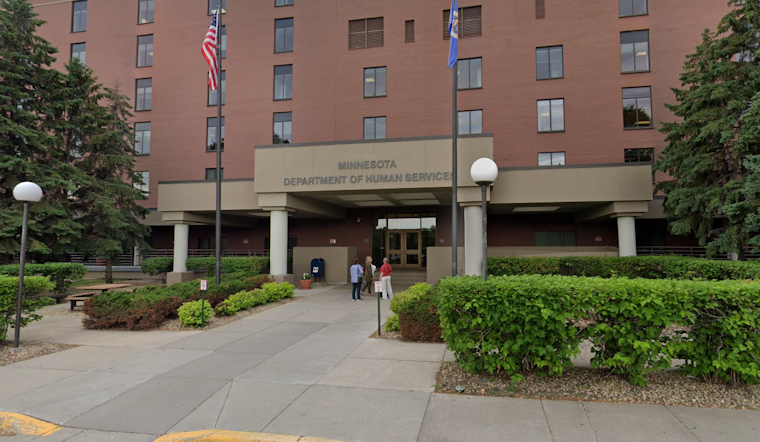
Minnesota's Department of Human Services is rolling out a hefty $9.5 million in Live Well at Home grants aimed at helping the elderly stay put and comfortable in their familiar surroundings, rather than transitioning to institutionalized care facilities. This investment, earmarked for 45 organizations, is expected to provide a range of services, from caregiver support to home retrofitting, tackling necessities that allow for safer, longer at-home living arrangements for the aging population.
The DHS commissioner, Jodi Harpstead, emphasized the reach and impact of these grants, telling the press, "These grants are critical to the well-being of aging Minnesotans and the organizations that support them," not only are these services preferred by most individuals, they are cost-effective and have been shown to yield better health outcomes. Acts as simple as installing grab bars or facilitating transportation to medical appointments are acts that ensure dignity and respect for the natural arc of life and for the natural desire to age in the reassuring echo of one's walls.
Notable initiatives among the funded projects include memory care unit improvements in Crookston, targeting accessibility and safety; efforts to close racial homeownership gaps in indigenous and color communities; and bolstering caregiver services in the west metro counties. These programs reflect a deepening commitment to the complex needs of a growing elder demographic, recognizing that such support is just as crucial in rural areas as it is in urban sprawl.
The scope of the Live Well at Home grant program stretches across Minnesota. According to a release from the Minnesota Department of Human Services, selected grantees like Access North Center for Independent Living will employ over $270,000 towards in-home accessibility improvements, while Age Well Arrowhead aims to bridge service gaps, especially in rural locales, with a $160,000 grant. Other recipients include Twin Cities' Keystone Community Services, which leverages a $90,000 grant to assess and address the whole of older adults' well-being, from nutrition to social engagement.
With national conversations surrounding aging populations and elder care often punctuated by tales of neglect or exorbitant costs, Minnesota’s investment offers a blueprint of hope, a testament to the value of seniors leading vibrant, autonomous lives. As the DHS continues to monitor and measure the outcomes of these grants, one can hope such initiatives will light the way for similar endeavors, fostering a culture of care where respect for our elders is not only preached but practicably provided.
Further details on the grants and the full list of grantees can be found in the official release here.





