

























































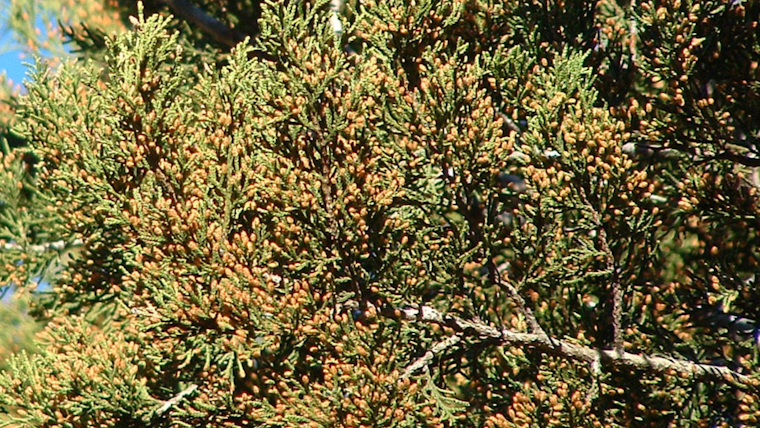
Cedar pollen levels, initially detected in low amounts in early November, had escalated by mid-December and were set to peak in January. Not to be overlooked, Ashe Junipers, the Texas villain in this story, have begun their annual siege, inundating the air with their highly concentrated pollen, according to NBC DFW.
These trees, which can turn even the toughest of immune systems into a runny-nosed mess, "pollinate during the winter in the southern U.S.," and the symptoms often get mistakenly attributed to colds or flu due to the timing, as per a Texas A&M Forest Service expert. Jonathan Motsinger, the service's Central Texas Operations Department Head, stated, "The pollen from Ashe junipers isn’t particularly allergenic or harmful—it's just so concentrated that, even if you aren’t generally susceptible to allergies, it could still affect you." He went on to explain how cold fronts are to blame for the widespread misery, with dry, windy conditions causing the trees to release pollen into the air, sometimes visible to the naked eye, as per NBC DFW.
The problem is pervasive, with the winds capable of carrying cedar or juniper allergy triggers for miles, affecting North Texas residents when winds from the south decide to show up with a vengeance. The return of south winds in the week ahead also means a fresh onslaught of discomfort for allergy sufferers. Motsinger echoed this sentiment in his interview, highlighting that very few plants pollinate during winter, making the juniper trees' pollen all the more potent, as per The Item.
For those thinking they can escape the clutches of cedar fever by chopping down some trees, think again. "Removing juniper trees from your property isn’t recommended primarily because the pollen is airborne," Motsinger said. While these trees might wreak havoc on our sinuses, they also offer substantial benefits. Their berries can be a boon for medicinal and nutritional purposes, and the trees themselves contribute to soil enrichment and prevent erosion, according to The Item.





