

























































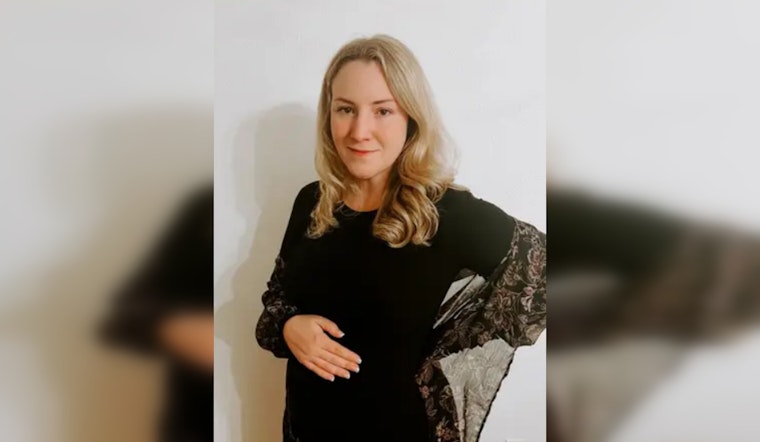
In a legal battle emblematic of post-Roe America, a pregnant woman in Texas is suing for the right to an abortion after receiving a fatal fetal diagnosis, challenging the stringent abortion ban in a state where the procedure is largely prohibited. Kate Cox, identified as a 31-year-old expectant mother of two who's facing a tragically hopeless prognosis for her unborn child, filed a lawsuit on December 5 in Austin, as reported by KENS 5.
According to her attorneys, Cox is approximately 20 weeks into her pregnancy and doctors have informed her that the baby is projected to be stillborn or, if born alive, expected to live for only a brief period. Under Texas law, abortion is banned at nearly all stages, despite this sort of dire medical scenario. The law has exceptions but they are so ambiguously framed that doctors hesitate to act, fearing criminal repercussions, as per what has been argued in court. The Texas attorney general’s office, which stands behind the ban, did not give an immediate response for comment on the legal move by Cox.
Legal representatives including Molly Duane from the Center for Reproductive Rights have picked up Cox’s torch—no court hearing has been set yet, but one could take place soon according to an interview with KENS 5. This legal action comes on the heels of deliberations by the Texas Supreme Court, which only last week was dissecting whether the abortion ban is overly restrictive for women facing complications during pregnancy, though any decisions could take months to materialize.
Complications from previous cesarean sections add to Cox’s predicament; with a history of C-sections, the risk of uterine rupture is heightened should labor be induced if the baby's heartbeat stops, and a full-term C-section could potentially jeopardize her future fertility. "It is not a matter of if I will have to say goodbye to my baby, but when. I’m trying to do what is best for my baby and myself, but the state of Texas is making us both suffer," Cox said in a statement obtained by AP News. Duane highlighted the broader implications of the situation, asking rhetorically, "How many people are going through the exact same thing as Kate is right now but are not in a position to file a lawsuit?" implying the extensive impact of Texas' restrictive laws, as noted in her AP News interview.
The lawsuit, while deeply personal for Cox and her family, symbolizes a nationwide struggle over reproductive rights—a struggle amplified since the overturn of Roe v. Wade. As Texas and similar states grapple with the contours of their abortion bans, individual stories like Kate Cox's shine a harsh light on the human consequences of legal battles over health care choices and women's autonomy.





