

























































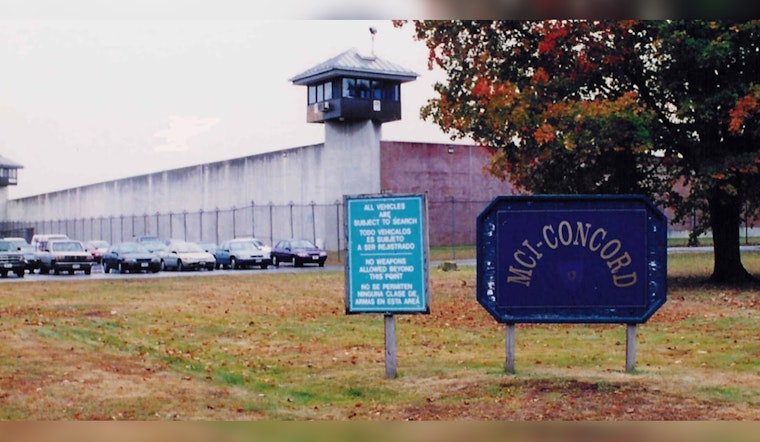
In a cost-cutting move reflecting a shifting penal landscape, the Massachusetts Department of Correction is shutting down MCI-Concord. The state's oldest men's prison, as it currently houses only about 300 inmates, a mere half its capacity, as CBS Boston reports.
The historic penitentiary first opened its doors in 1878 and, according to state Senator Jamie Eldridge, this closure is expected to pocket Massachusetts a cool $15 million annually in operational costs—matching the savings from last year’s closure of MCI-Cedar Junction in Walpole according to CBS Boston; this comes at a time when the state basks in its lowest prison population in 35 years, but also struggles with making sure educational, programming, re-entry services are up to modern standards, not to mention that the buildings are aged and the need for spending smarter is ever more pressing.
Transfers of correctional staff and inmates to different facilities are expected to start forthwith, finalizing by this summer, a Department of Correction spokesperson heralded, with more detailed plans on the shuttering and resulting fiscal benefits to be included in the Governor's FY25 budget proposal as mentioned in a statement retrieved by Boston 25 News.
Eldridge, lauding the closure as a "common sense decision" and a significant strike against mass incarceration, believes redirected funds could be better spent on alternatives to incarceration and supporting re-entry programs, "I am deeply encouraged that the Healey-Driscoll administration has decided to close MCI-Concord prison," he declared, highlighting the importance of investing in educational programs and communities heavily affected by the War on Drugs, he opened up on a personal note, driving past the prison was a stark reminder of the state's injustices and a rallying cry for fairness, efforts echoed in sentiments, as published by Boston 25 News.
This decision by the state underscores a move toward "justice reinvestment,” where resources are aimed at community support rather than punitive measures, a trend becoming increasingly prevalent in U.S. criminal justice reform.





