

























































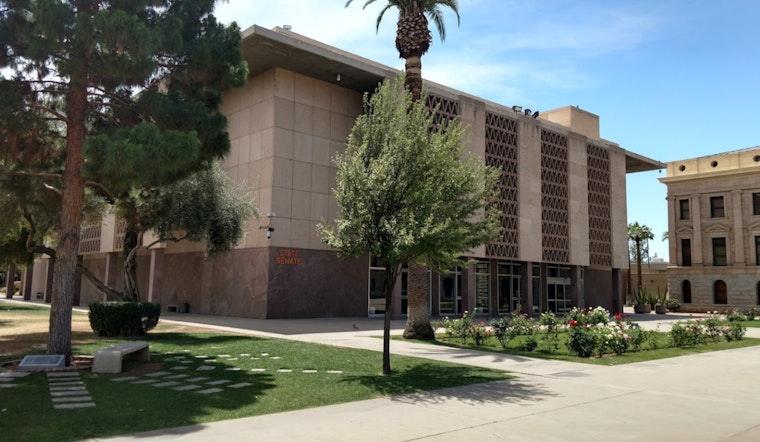
Arizona Democrats are staging their ninth consecutive annual showdown against discrimination, introducing a bill designed to shield LGBTQ+ Arizonans from bias across a range of everyday scenarios, from the workplace to the schoolroom. Despite the headwinds of a Republican-dominated legislature, the proponents of House Bill 2625 are unwavering in their quest for equal treatment.
The bill, if passed, would make it illegal to discriminate against individuals based on sexual orientation and gender identity in housing, employment, and public accommodations. In a morning press conference, echoed by Phoenix New Times, Rep. Patty Contreras said, "We are who we are, and we are asking for acceptance." She highlighted the fears that many in the LGBTQ+ community face, asserting that they should not fear everyday activities because of their identity.
While cities including Phoenix, Tucson, and Flagstaff have passed non-discrimination ordinances, the state legislature has stonewalled statewide measures since at least 2016. Almost a dozen cities showcase Arizona's patchwork of protections, yet these localized laws cover a scant 52% of the state's population, leaving many without clear recourse against discrimination. And Republicans aren't relenting in their cultural crusade; instead, they've tabled bills touching everything from the medical confidentiality of LGBTQ+ students to the controversial issue of pronoun use in schools, as detailed by the Phoenix New Times.
In contrast to this legislative resistance, optimism burgeons among activists who look to broader societal trends for hope. Michael Soto of ONE Community spotlighted the strides forward in acceptance and protection within Arizona's urbanscapes at the Point of Pride event celebrating the State of LGBTQ+ Report, as reported by 12 News. "Gen Z and Millennials are a whole different ballgame than Gen X and Baby Boomers," said Soto, pointing to a generational shift that may herald amplified support for inclusive policies.
Yet, with over 650 anti-LGBTQ+ bills introduced nationally in 2023, the battle in Arizona is emblematic of a larger national conflict over LGBTQ+ rights. The ONE Community report suggests a grim tally of workplace discrimination incidents and underlines the costly consequences for businesses and individuals alike. But they're not without allies in high places; Governor Katie Hobbs has already made clear her intent to veto legislation she deems discriminatory and has extended state employment protections via executive order.
Roadblocks persist, but there's a palpable drive among advocates to forge inclusivity in law, looking beyond the current session to a future where fairer laws might take root. Legislation like the Equality and Fairness for All Arizonans Act, which stalled in 2022, waits in the wings for reintroduction after the next electoral cycle. With the evolving demographics of Arizona's populace, a change to the non-discrimination narrative could potentially be just over the horizon.





