

























































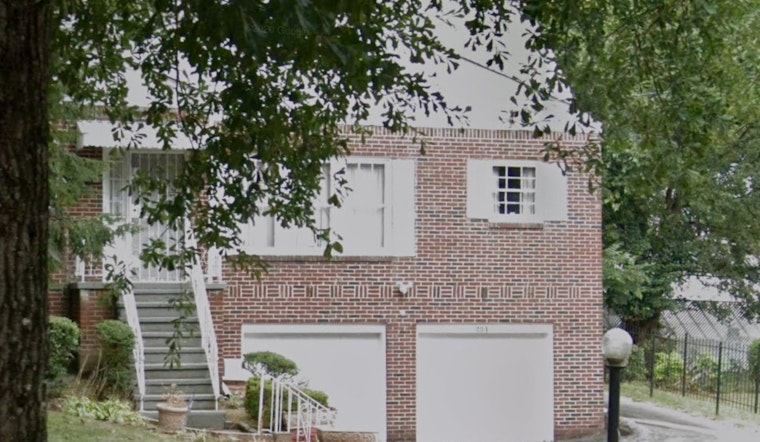
The future of the former home of Dr. Martin Luther King Jr. is now being shaped by the hands of the public, as the National Park Service seeks input on the development of a site plan for the historic residence. Located at 234 Sunset Avenue in Atlanta's Vine City neighborhood, the dwelling has stood as a silent witness to King's life and his family's enduring legacy within the context of the Civil Rights Movement. The NPS aims to both preserve and highlight the home's significance while encouraging community engagement in the storytelling of this iconic figure's journey.
In a gesture to openly involve citizens in this historical preservation, the NPS eagerly announced their project, expressing a desire to "develop long-term strategies to preserve and protect the King Family Home," as stated on FOX5 Atlanta. Aware of the deep roots the King family has within Vine City, the park service hopes to capture and convey not just King's contributions to social justice, but also the vibrancy and struggles of the environment that helped to shape and be shaped by such an influential leader.
Despite its unassuming appearance, the Sunset Avenue residence holds within its walls a rich tapestry of history. This is the very home where Dr. King resided in the turbulent times leading up to his assassination in 1968. According to Fulton County records, the property remains listed under Coretta Scott King, the civil rights leader's widow who passed away in 2006. With the NPS discussing potential expansion into this area, the home might soon emerge from anonymity to become an instrumental part of the King Historic Site on Auburn Avenue, as suggested by 11Alive News.
Seldom does the quiet street see high volumes of traffic unless it is to briefly accommodate groups of visitors eager to gain a glimpse into the past, visitors who are typically followed by a tour guide recounting tales of the iconic green sofa still sitting under a plastic cover, as if frozen in the year of King's death. "A green sofa from the house in 1968 is still there, with a plastic cover over it," Tom Houck recollected to the visitors, as mentioned in a 11Alive News report. For now, the interior remains off-limits to the public, igniting the curiosity of those who can only imagine the conversations and moments that the walls of the four-bedroom brick home once embraced.
The call for public input marks a significant step in not just preserving a physical structure, but in ensuring the essence of King's legacy continues to inspire and instruct future generations. The ideas and voices of those participating promise to lay down a vision reflective of a wider community awareness that will serve to embolden the messages of the past as they echo into our present discourse. The home, a humble yet powerful monument stands ready to act as a beacon of remembrance and a place of pilgrimage for all who seek to understand the depth and reach of Dr. King's dream.





