

























































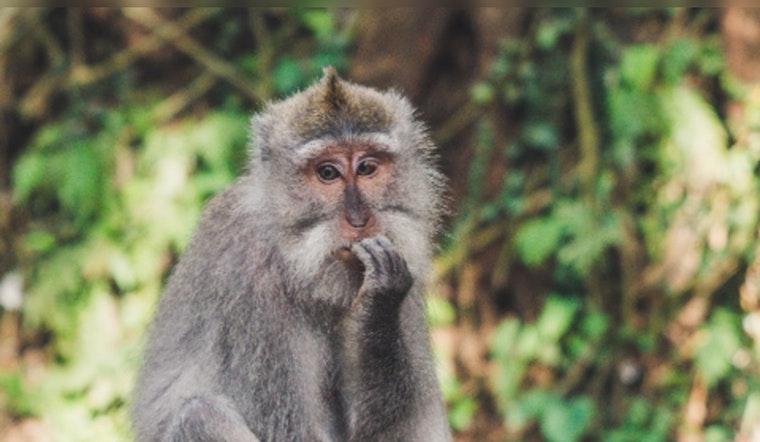
Bainbridge, Georgia, is on the brink of hosting the largest monkey breeding facility in the United States, attracting attention not just for the alleged economic boon, but also for brewing tensions and environmental concerns. At a city council meeting, local voices echoed with apprehension alongside animal rights advocates, who collectively anticipate potentially negative impacts from the $396 million venture proposed by Safer Human Medicine.
While promising over 200 jobs to the southwest Georgia city, residents, and members of People for the Ethical Treatment of Animals (PETA), cast doubt over the project, citing fears of invasive species and zoonotic diseases, according to WALB-TV. "How are we supposed to survive this? They have diseases. We have a huge water right here, the Flint River, so the environment is a big thing too. It’s overall jacked up,” said Yvena Merritt, a concerned resident, to WALB-TV.
The planned facility would accommodate up to 30,000 long-tailed macaques, surpassing the local human population, which stands at over 14,000 according to the U.S. Census estimates. PETA’s senior science advisor, Dr. Lisa Jones-Engel, warned of the dangers during the council meeting, insisting that the introduction of such a large number of primates poses a significant risk of spreading pathogens. "The cost that this community is going to bear when they drop 30,000 monkeys into an environment that has no business holding 30,000 monkeys. It’s their tax dollars, it’s their backyards, it’s their environment. They’re the ones bearing the risks," Jones-Engel said.
Rumblings of opposition are particularly resonant in the wake of Safer Human Medicine's leadership history; previously involved with a company embroiled in controversy over the illicit procurement of wild monkeys. Charles River Laboratories, where the company's executives once worked, faced investigations last year for partaking in such activities, as FOX 5 Atlanta reported. Despite this, local development authority figurehead, Rick McCaskill countered arguments by underscoring the presence of trained veterinarians and staff, suggesting that the risks of environmental impact are minimal, and comparing the monkey quantities to livestock figures in the county.
The company attempting to quell criticism, issued an open letter to Bainbridge, highlighting the urgency for domestic monkey sources post-pandemic. Local officials sweetened the pot in December with property tax incentives, setting up a 10-year tax abatement for the company, then gradually decreasing these breaks over the following decade. As debates simmer, PETA and concerned citizens pledge to maintain their campaign against what they perceive as an unjust and potentially dangerous addition to their community, planning to air their voices at the upcoming county commission meeting.





