

























































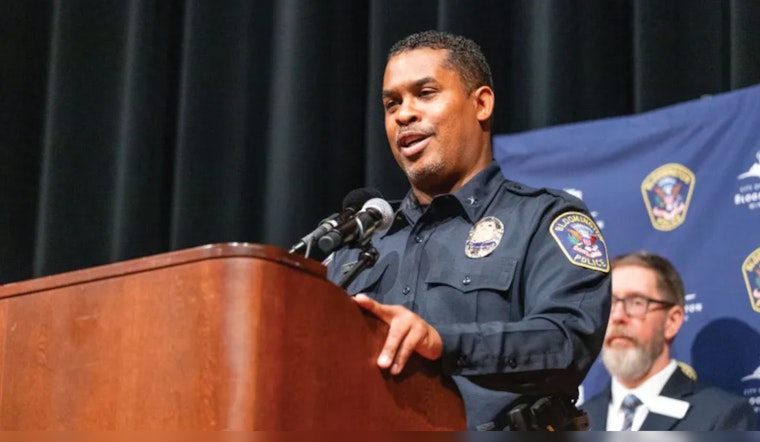
The Bloomington Police Department is shifting gears in its approach to handling 911 calls for mental health crises by bringing therapy directly to those in turmoil at zero cost. Chief Booker T. Hodges of the BPD spotlighted a unique pilot program intended to bridge the gap between critical mental incidents and follow-up care.
Last year police responded to over a thousand mental health-related calls and while numbers this year have dipped slightly to 952 as per early December stats, the traditional response often left an unsettling gap before follow-up. Chief Hodges stated, "Our core value here at the Bloomington Police Department is respect, and respect is demonstrated through our compassionate and honest service, I believe that it’s not very compassionate to allow someone who needs and wants help to go months without getting the help they need," in a plan unveiled to improve the situation.
Marking a first for Minnesota, the program integrates two licensed marriage and family therapists into the BPD who will oversee four students undertaking their clinical training. These mental health professionals are poised to provide immediate on-site therapy to individuals directly in their homes or preferred locations, except schools or workplaces to ensure privacy and comfort.
The initiative, enacted just last month, banks on a budget of $63,000 which is sourced from the state's opioid settlements and police funds. It's a strategic investment against the backdrop of reoccurring issues: when individuals fail to receive timely and continuous mental health treatment, the risk of repeated episodes or worsening conditions elevates Chief Hodges emphasized the urgency and the critical nature of the program in remarks explaining its inception.
Furthermore, for those in need of urgent mental health assistance, the 988 Suicide and Crisis Lifeline remains available round-the-clock. This is reinforced by BPD's new approach that promises a more humane and immediate response to mental health crises within the community.




