

























































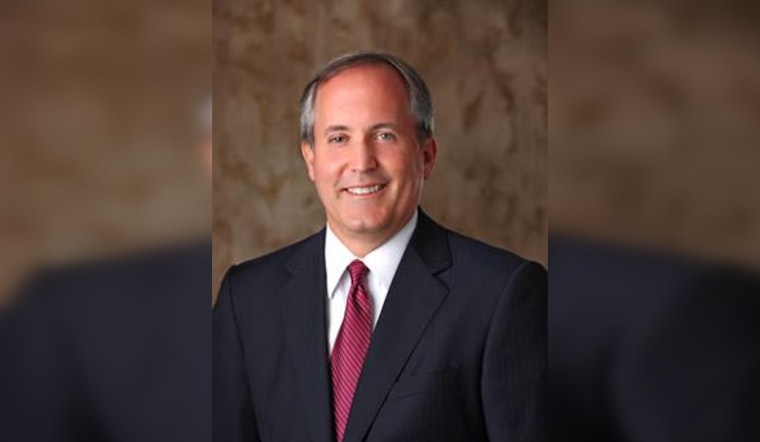
Texas Attorney General Ken Paxton is standing his ground against the Biden administration after a cease-and-desist order from the Department of Homeland Security urged Texas to halt its enhanced border security measures. The DHS had sent the letter on January 14, looking for Texas to comply by January 17, and hinted at escalating the situation if demands were not met.
Tension flared up when the Texas Military Department took steps to secure Shelby Park in Eagle Pass, allegedly to protect local residents from unlawful activities that were damaging the area. The DHS subsequently asserted that Texas' actions had indirectly led to the deaths of several individuals attempting to cross the Rio Grande, according to a press release from Paxton's office. These claims were, however, contradicted by filings from the Department of Justice with the Supreme Court.
In reply to the DHS, Paxton's letter emphasized that Texas has continued to allow the U.S. Border Patrol the necessary access for emergency response operations at Shelby Park. He pointed out that federal agents reported the emergency involving the recovery of bodies by Mexican officials, only after the incident had ended. However, he assured that Texas National Guardsmen conducted a thorough search to ensure no one else required emergency assistance.
Paxton's response pulled no punches: "Rather than addressing Texas’s urgent requests for protection, President Biden has authorized DHS to send a threatening letter through its lawyers," said Paxton in the letter. "But Texas has lawyers, too and I will continue to stand up for this State’s constitutional powers of self-defense," he continued. Moreover, Paxton called for DHS to "do their job and follow the law" instead of seeking legal injunctions from the DOJ.
Determined to maintain its stance on border security, Texas under Paxton's leadership refuses to back down from what it perceives as the Biden administration's "destructive open-border policies." Paxton assures that he will keep defending Texas’ right to secure its territory, its sovereignty, and the safety of its citizens amidst this federal-state clash.





