

























































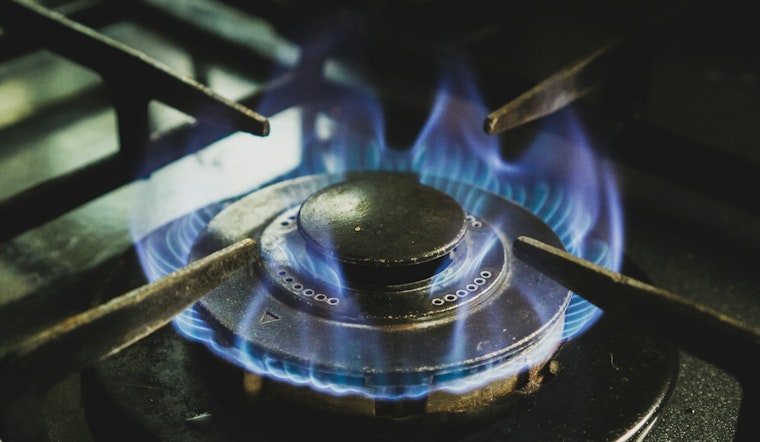
Chicago's city council is weighing up a proposal that could see natural gas usage in new buildings become a thing of the past. According to the Chicago Tribune, an ordinance poised for city council could set Chicago on track to becoming one of the major US cities cracking down on fossil fuels in buildings. The so-called Clean and Affordable Buildings Ordinance, introduced by Ald. Maria Hadden, targets greenhouse gas emissions, notably casting natural gas as incompatible with Chicago’s climate targets.
At a moment when cities are re-evaluating their approach to energy, the move marks a tilt toward electric heat and appliances in new construction projects. Chicago joins the likes of New York and Los Angeles, which according to Chicago Tribune, have already implemented regulations limiting or ruling out natural gas in new buildings. Despite the snowstorm currently gripping the city, the ordinance introduces measures to curb the combustion of carbon-heavy fuels in new building developments.
The proposed legislation doesn't stand uncontested. The American Gas Association has struck back, emphasizing the affordability and lowered emissions associated with natural gas. According to the Chicago Tribune, Karen Harbert, President and CEO of the American Gas Association, stressed the fuel's tangible benefits for the nation and cautioned against measures that would "raise costs to consumers, jeopardize environmental progress and deny affordable energy to underserved populations." Peoples Gas, reeling from the city's cold snap, fired a similar warning about the financial and reliability risks entailed by a complete switch to electric heating.
However, driving down emissions appears a priority. Brian Imus of the Illinois Green Alliance sees the ordinance as a move that would position Chicago as a vanguard city in the national trend toward building decarbonization. Meanwhile, parties such as Verde Energy Efficiency Experts tout the job growth potential in the burgeoning green building industry, with the company's founder, Jamie Johnson, affirming to the Chicago Tribune, the potential for more projects to mean more local employment and competitive supply chain prices.
On the political front, Brandon Johnson's administration is also crafting legislation to curb emissions, which includes applying standards to buildings that are extensively renovated after July 2025. As per a report by Crain's Chicago Business, Jason Lee, a senior adviser to Mayor Johnson, stated that more dialogue is necessary with trade unions and other opposing voices before an ordinance is laid out. Despite this call for further conversations, Lee asserts the administration's commitment to climate policies that could make Chicago a magnet for younger demographics.
Some exemptions from the emission standards may include hospitals, commercial kitchens, and other sectors still heavily reliant on gas. Opposition to electric heating mandates grows among major building owners, citing hefty costs for older properties undergoing conversions. As for the pressing issue of existing infrastructure, the federal Inflation Reduction Act is pegged as a likely resource for easing the transition to greener energy outputs. Faced with competing priorities and concerns over job losses and increased costs for consumers, the direction in which Chicago heads with its energy policies will be a closely watched space.





