

























































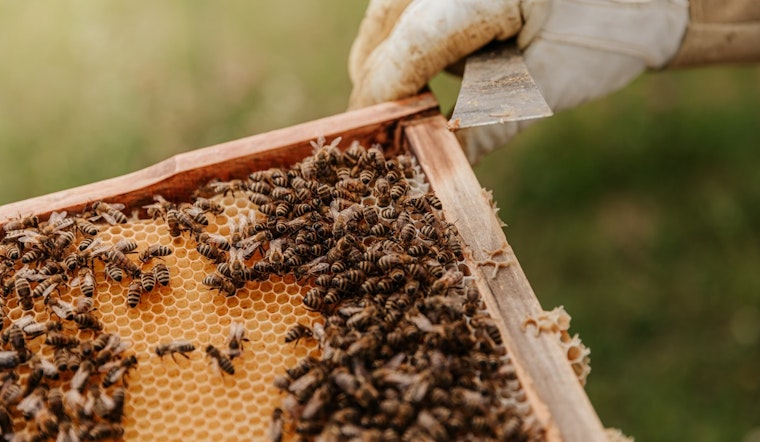
Residents of Coon Rapids with a desire to buzz into beekeeping can look forward to the city's new ordinance adopted in November, allowing them to maintain their own hives. According to a statement obtained by the City of Coon Rapids, this decision follows a comprehensive two-year study on the requirements for nurturing healthy honeybees.
Olivia Dorow Hovland, the city's Sustainability Planner, said, "I think beekeeping will be a good addition to the City of Coon Rapids and we are committed to making sure that this is rolled out in an organized and safe way for all of our residents." As essential pollinators face increasing threats, Coon Rapids steps up to the plate to provide a haven for honeybees – critical to the pollination and production of various plants and foods that residents depend on.
Those eager to partake must navigate through a city-approved permit process, which rolls out later this month. "All that anyone who's interested has to do is apply for a permit through the City and go through the inspection process and get the approval from us," Dorow Hovland told the City of Coon Rapids announcement. A one-time fee of $115 is required for online or in-person beekeeping coursework, a mandatory first step to ensure informed and responsible beekeeping.
Dorow Hovland referenced quality courses on offer by esteemed institutions, saying, "The University of Minnesota Bee Lab has a great course as does the University of Pennsylvania." Beekeeping in Coon Rapids comes with guidelines designed to maintain harmony within the community, including setback requirements. "If any hive is located closer than 25 feet to any property line, the beekeeper has to erect a flyway barrier to make sure that the bees are being dispersed above head level and won't interfere with any neighbors or people walking by," per Dorow Hovland's interview with Coon Rapids officials. This measure is to ensure the bees' flight path remains unobtrusive.
The recent Coon Rapids ordinance illustrates a commitment to fostering an urban environment that supports both the essential work of pollinators and the interests of its residents. With these clear-cut guidelines set forth, the community buzzes with the anticipated growth of local bee populations and the cultivation of a greener, more sustainable city.


