

























































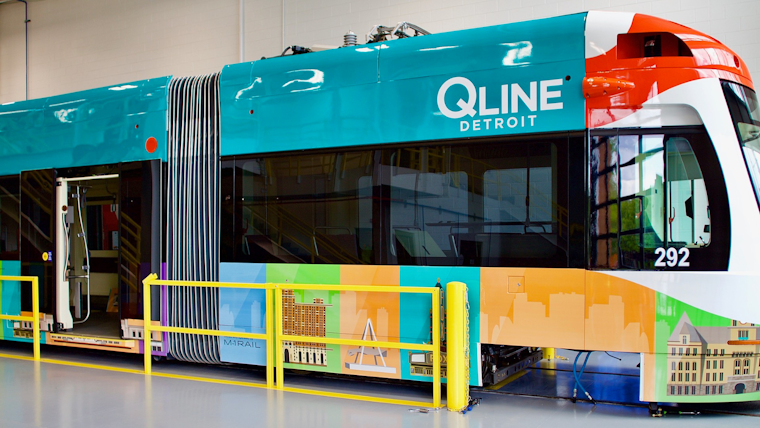
It seems Motor City's QLINE is zipping along with a significant uptick in ridership numbers for 2023. The Detroit streetcar system reported over one million riders last year, smashing previous records and reflecting a 50% increase from 2022, as per Detroit Free Press. This surge also marks a 25% jump from its pre-pandemic ridership figures.
M-1 RAIL, which manages the 3.3-mile stretch on Woodward Avenue, credited several factors for the growth. Service enhancements and stronger community ties are touted to likely have played a part in convincing more people to climb aboard the QLine. "Our investments in service improvements, establishing closer connections with residents, businesses, and events along the route, and the continued development of our locally operated team made reaching this milestone possible," M-1 RAIL President Lisa Nuszkowski said, according to WXYZ. The decision to permanently scrap the service fare post-lockdown might also have been an attractive factor.
Prior issues such as QLINE's reliability, impacted by obstructive parking and dense traffic, have also seen improvements. These enhancements include signal prioritization and the deployment of a tow truck to keep the path clear. Nuszkowski explained that these initiatives resulted in "higher-than-ever reliability, with streetcars arriving in 15 minutes or less on 70% of trips in 2023," a release from Detroit Free Press indicated.
The increase in ridership is also believed to truly reflect the resurgence of downtown Detroit's activities. An on-board survey suggested that 60% of riders use the service at least three times a week for work, leisure, and education. And with major events like the NFL Draft on the horizon, officials believe they will only continue to build on this growth into 2024.
Against this backdrop of increased usage, there is a proposal in play to potentially transition QLine operations to the Regional Transit Authority of Southeast Michigan. This move could further infuse taxpayer funds into the system, despite the historic hesitation shown by the suburban counties in previous funding attempts, as per details from Metro Times. Backers of the service view its success as a stepping stone toward a more integrated and supported regional transit system.





