

























































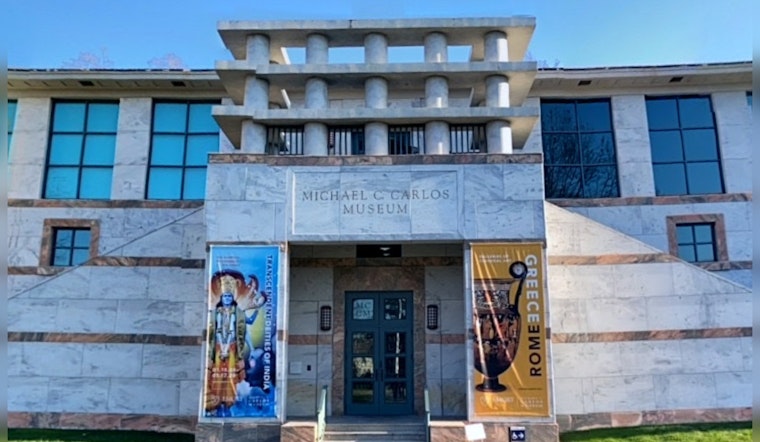
Emory University's Michael C. Carlos Museum has finally waved goodbye to three artifacts. Returning them to their home country of Greece after claims that they were illegally exported, as FOX 5 Atlanta reported. The disputed items include a marble goddess or muse, an ancient bathtub, and a marble seated figure, all of which were formerly in the hands of individuals implicated in antiquities trafficking.
In a saga that's been dragging on since 2007, when Greece first asked for the artifacts back, Emory held onto the pieces until this breakthrough, the Hellenic Republic Minister of Culture Lina Mendoni declared her thanks for their return at a Monday press conference something that surely means a lot to the Greek people who cherish their cultural heritage; the marble pieces were linked to convicted or accused smugglers, according to The Emory Wheel.
Emory's Professor Emerita of History Cynthia Patterson cast doubt on the museum staff's previous claims of ignorance regarding the artifacts' shady past telling The Emory Wheel, "I have a hard time believing the Carlos Museum staff did not know at least one of the pieces was possibly stolen." The dubious acquisition involved a curator who had once worked with a suspected trafficker and a statue delivered in two pieces, a common tactic used by looters to avoid detection.
Alongside the art repatriation, Emory inked an agreement of cultural cooperation with Greece, promising to grease the wheels for more ethical scholarly exchange, the university’s Provost and Executive Vice President of Academic Affairs Ravi Bellamkonda expressed the deal's significance and articulated a lofty vision of joint study and protection of culture during a time when questions about artifact ownership hail to the forefront of international concern, according to rubrics detailed by The Emory Wheel and the Museum’s Director Henry Kim emphasized this partnership aimed at cultivating a legitimate exchange of cultural education and exhibition development.
The decision to return these contested items is perhaps just the tip of the iceberg for the Carlos Museum, after a report by The Chronicle of Higher Education last August detailed how over 200 items had passed through the hands of those convicted, or indicted, on charges related to antiquities trafficking — a report that Emory officials insist did not influence the recent returns.
Facing the enormity of such historical rectitude, Emory's Assistant Registrar and Provenance Researcher Annie Shanley admitted to The Emory Wheel "If the evidence arises in the future, then we will take steps to reach out to the countries of origin and arrange their return," exposing the corrective path Emory may tread in its archival reflections. With academia watching closely, Emory University now steps onto the global stage where the ethics of artifact repatriation and cultural integrity play out in the accountability of institutions.





