

























































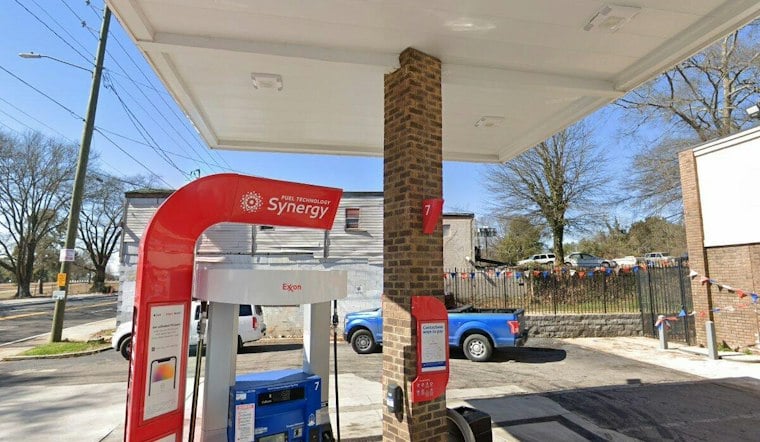
Keisha Lance Bottoms rolled out a new cost-of-living plan Wednesday in Atlanta aimed squarely at two expenses that hit nearly every Georgia driver: gas prices and car insurance bills. The Democratic candidate for governor calls it the Drive Plan, and she says it would eliminate the state's 2.25% tax on car insurance premiums while lowering Georgia's gasoline and diesel taxes.
Bottoms has made driving costs a central theme of her campaign, and the plan she unveiled would require insurance companies to pass any savings from scrapping that premium tax directly to policyholders, according to CBS News Atlanta. Bottoms estimated that eliminating the insurance tax alone would save a family with two vehicles about $140 a year. On fuel, her plan would lower the state gas tax to 28 cents per gallon and the diesel tax to 31.3 cents per gallon, per the same CBS News Atlanta report.
Stacking Up Against Kemp's Emergency Suspensions
Governor Brian Kemp declared a state of emergency Monday and suspended Georgia's motor fuel excise tax for 30 days starting Tuesday, his third such suspension of 2026, according to WABE. Bottoms said the suspension should have happened sooner, arguing that Georgia drivers need relief that lasts beyond the current price surge rather than repeated short-term emergency orders. Those suspensions have not come cheap for the state: prior fuel tax pauses cost Georgia roughly $200 million a month in lost revenue, contributing to a 12.6% net revenue decline in May, WABE reported.
Bottoms said the fuel tax cuts alone would save a two-car household nearly $80 a year, while she estimated the combined insurance and fuel tax cuts together would save a single driver more than $100 annually. Her plan would also end the automatic annual increases in Georgia's fuel taxes that currently occur through a formula tied to vehicle fuel efficiency and the Consumer Price Index, per Georgia Code § 48-9-3 as cited by the Georgia Department of Revenue. To make up for lost gas tax revenue, Bottoms said she would pursue other funding sources, including sponsorships and branding deals at visitor centers, welcome centers and electric vehicle charging stations.
Targeting Insurance Fees and Repeat Rate Hikes
Beyond the premium tax repeal, the Drive Plan would seek to prevent insurers from raising rates more than once a year, create a state insurance consumer advocate, and require companies to issue refunds when premiums collected exceed what's needed to cover claims and expenses. The plan also includes a lower-cost basic insurance policy for income-eligible drivers and targets additional fees charged to policyholders, according to the CBS News Atlanta report.
Georgia drivers have reason to feel squeezed. Full-coverage car insurance in the state averages $3,108 a year, among the highest in the country, and Georgia ranked fifth nationally for average annual full-coverage costs as of August at $3,109 a year, trailing only Washington D.C., Maryland, Rhode Island and Michigan, according to Insurify. That compares with a national average of roughly $2,241 for the year. Metro Atlanta carries the heaviest burden within the state, with suburbs like Lithonia and Clarkston seeing the highest monthly quotes statewide, Insurify found, due to traffic density, long commutes and elevated local accident rates.
Precedent, Pushback and the Path Through the Legislature
Georgia lawmakers have moved on insurance rate reform before. In May 2023, Kemp signed House Bill 221, ending the state's long-standing file-and-use provision that had let insurers raise rates by up to 25% in a single filing without prior state approval, instead giving the Insurance Commissioner 60 days to review filings, according to PropertyCasualty360. Democratic lawmakers went further in February 2025, introducing House Bill 477 to restrict insurers from raising private auto rates more than once per calendar year, a measure aimed at giving policyholders more price predictability, per BillTrack50.
Rick Jackson's campaign was quick to respond. Spokesman Garrison Douglas said Bottoms had four years as Atlanta mayor to make the city more affordable but instead raised fees on Atlanta households, and that she more than tripled the fee on building a new home, leaving the city less affordable than she found it, in a statement obtained by CBS News Atlanta. Douglas said Jackson has laid out his own plan to cut the state income tax in half, lower the property tax burden, eliminate state taxes on tips and energy, and end government delays that drive up home costs.
Any changes to Georgia's tax code or insurance statutes under the Drive Plan would require cooperation from the General Assembly, where Republicans currently hold majorities in both chambers. That legislative math looms large heading into November, with Democrats eyeing 10 seats to break the GOP's decades-long grip on the state House. The stakes are underscored by a mid-September survey of 3,447 registered Georgia voters that showed the governor's race between Bottoms and Jackson locked in a dead heat, with a margin of error of plus or minus 2.7 percentage points.
Diesel Prices Squeeze Georgia's Harvest Season
The fuel-cost pressure extends well beyond commuters. Diesel prices averaging $6.24 a gallon in late September forced Georgia agricultural operations to absorb more than $100,000 in additional seasonal fuel costs during the autumn harvest, according to CBS News Atlanta's Atlanta affiliate coverage, with Agriculture Commissioner Tyler Harper noting that diesel prices have more than doubled in recent weeks. It's a reminder that the debate over gas and diesel taxes reaches beyond daily drivers into the state's rural economic backbone, even as the political fight over how to deliver lasting relief plays out between Atlanta and the campaign trail.



