

























































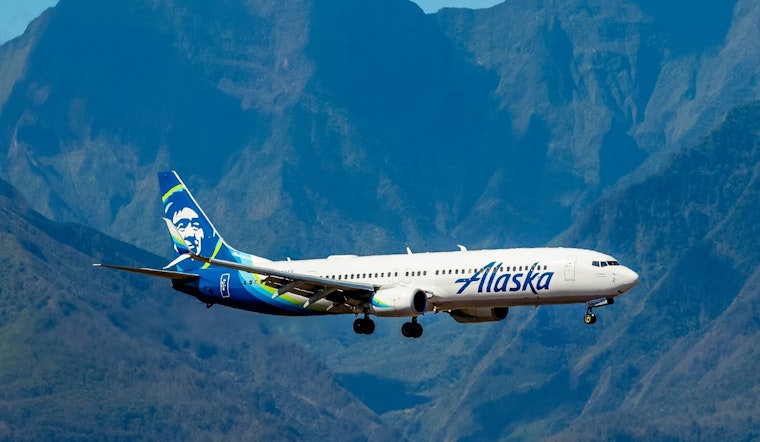
In a stark turn of events for United Airlines and Boeing, the discovery of installation issues, including loose bolts on Boeing 737 Max 9 jets, has led to a grounding of the model by the Federal Aviation Administration (FAA). After a mid-flight blowout on an Alaska Airlines jet last Friday, United reported finding bolts that required tightening and "installation issues" in the area where extra emergency doors would typically be, according to the Chicago Tribune. The mishap, which took place over Oregon, prompted emergency inspections for these planes.
The inspections zeroed in on the door plugs of the Boeing 737 Max 9s, plugs that act as seals for unnecessary emergency door spaces. "Since we began preliminary inspections on Saturday, we have found instances that appear to relate to installation issues in the door plug – for example, bolts that needed additional tightening," United said in a statement obtained by the Chicago Tribune. The alarming incident led to a remarkable decrease in Boeing's share price, dropping by 8%, and an 11% fall for Spirit AeroSystems, which manufactures the fuselage for the Max model.
Following the order from the FAA, United Airlines was forced to cancel 221 flights on Monday, as all Max 9s operated by United and some by foreign airlines were grounded. The FAA's measure has affected approximately 171 planes worldwide, while Alaska Airlines also had to cancel 160 flights on Saturday, impacting around 23,000 passengers, as reported by WGN-TV. The wide-scale disruptions point towards extensive inspections and potential repairs across the grounded fleet.
Authorities are looking closely at the incidents preceding the blowout. The National Transportation Safety Board (NTSB) Chair Jennifer Homendy noted that an auto-pressurization warning light had gone off on three separate occasions in flights before the accident, signaling potential pressurization issues. However, Homendy mentioned in a Washington Post interview, that "there were no indications whatsoever" linking the warning light to the door plug accident.
The implications for the aerospace giant, Boeing, may be severe as this new incident casts a shadow over the MAX series, which had just begun to recover from a nearly two-year grounding following two fatal crashes. The sudden mid-air crisis on an Alaska Airlines flight returning to Portland could be an indicator of systemic issues with the Max 9, potentially compounding Boeing's reputational challenges. Given the latest turn of events, all eyes are on the FAA and NTSB as they conduct their inspections and investigations.





