

























































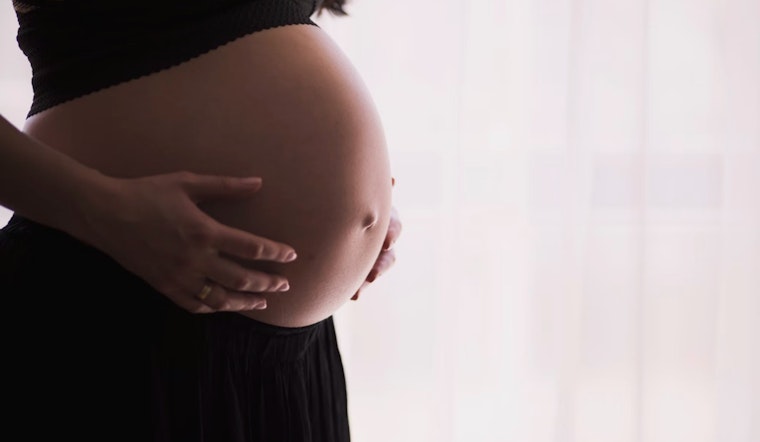
Flint, Michigan, has become ground zero for a bold financial support program, as expectant mothers and their babies are set to receive a significant boost through Rx Kids—a guaranteed basic income initiative—WXYZ reported. Pregnant women in the city can now sign up for a $1,500 payout, with no restrictions on spending, to be followed by $500 monthly payments during their child's first year, designed to aid expenses ranging from prenatal care to diapers.
The program, which officially launched this week, has been dubbed Rx Kids and according to its visionaries, it's a prescription for hope and opportunity for Flint's families; Flint Mayor Sheldon Neeley described the initiative as an act of "investing in strong families," in a statement obtained by WXYZ. The city, grappling with poverty rates reported to be the highest in Michigan, and with about 70% of children living below the poverty line, aims to lift families out of poverty and pave the way for healthier outcomes for both mothers and infants.
Prospective and current mothers only need to verify their identity, residency, and pregnancy or guardianship to be eligible for enrollment, details found on the City of Flint's official website explain; the simplicity of the process is designed to remove barriers and ensure wide-reaching access. Dr. Mona Hanna-Attisha, the Flint pediatrician, well-known for her role in exposing the Flint water crisis, is at the helm of Rx Kids, which partners with several organizations including University of Michigan Poverty Solutions and GiveDirectly.
A robust research component is planned to trace the impact of the cash injections not only on individual families but also community-wide, as Rx Kids co-director H. Luke Shaefer noted the transformative potential of this community-driven initiative, cites the City of Flint, stressing the program's foundations in worldwide evidence that unconditional child cash benefits can trigger a significant drop in child poverty and marked health improvements. Despite criticisms about potential negative effects of unconditional cash transfers, evidence suggests that these funds are typically spent wisely by families, providing a tangible counterargument to concerns about fostering dependency on government support.
Flint's own $55 million experiment with guaranteed income is already underway, as noted by Bridge Michigan, signifying a major shift in strategy to combat the impacts of poverty on early child development. With an initial $15 million from the Charles Stewart Mott Foundation and significant contributions from the State of Michigan, the Rx Kids program has already secured over $43 million of its five-year goal. The comprehensive effort, cheered on by residents and officials alike during a recent celebration, underscores a collective desire in Flint to transition from just surviving to thriving, providing a beacon of hope that could potentially inspire similar programs nationwide.





