

























































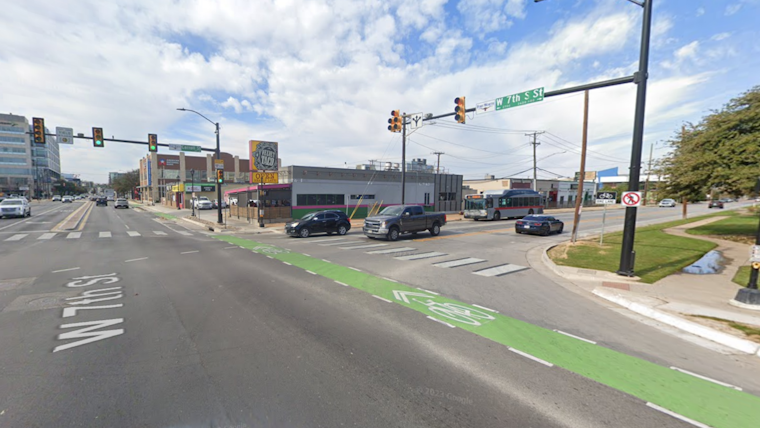
Fort Worth's West 7th entertainment district is slated for a safety revamp, with the city council backing a spate of initiatives meant to temper the revelry and risks that have marked the area of late. The district, which transforms into a bustling hub for night owlets over the weekends, has been under scrutiny after incidents including the murder of a TCU student and a recent booze-fueled car chase that ended with pedestrians hurt.
City officials have ponied up nearly $6 million in a proactive response, reports state from CBS News. They're banking on the success of the Ambassador program, familiar to residents in downtown Fort Worth, which positions watchful eyes on streets during peak party hours. The scheme, starting as a year-long test drive, will see ambassadors on patrol on weekends, making their presence felt, and, it's hoped, discouraging potential troublemakers.
Ensuring that pleasure-seekers can jive without jibing with danger also involves taming the tar. To that aim, part of the funds will install traffic bollards, crafting a one-way exodus post-nightfall bar closures. Neal Martinez, who works in the district, emphasized the importance of driver caution, noting West 7th's magnetism for tourists.
Yet the city's goals stretch beyond immediate solutions. Contracting with the consulting firm Safe Night LLC, the council has dropped $150,000 to scout the territory before doling out advice and training to local business owners and city staff. Their vetting process of the district's needs, expected to kick off in spring, isn't a quick fix—it's a year-long commitment.
Meanwhile, according to an NBC DFW interview, Fort Worth Police Officer Tracy Carter reveals that the West 7th District will initially deploy three to four ambassadors. The contingent is expected to hit the streets by late spring or early summer and continuation of the program past November hinges on voters approving a Public Improvement District for sustainable funding. An official stated, however, that the pilot program will not launch until the PID is in place, ensuring a steady cash flow for the initiative.
Business owners in the district are watching developments warily, hopeful but careful not to count their chickens before they hatch. Emil Bragdon, who owns several spots in the area, expressed cautious optimism, positing that the real proof of the program's efficacy would be in the pudding—or rather, in the 30-day post-launch feedback from local entrepreneurs. He stands firm in the belief that while tragedies like Wes Smith's murder are shattering, they are not reflective of the district's overall security.
In a blend of public services and private initiatives, area businesses aren't waiting for the city's plans to materialize fully but have taken matters into their own hands, hiring off-duty cops to safeguard their turf. It's an extra layer to the existing mishmash of bike, foot, and car patrols that already canvas the district, offering a shield to those out for a good time and to those who serve them. "Anytime we can push the envelope on safety for our guests and our staff, we’re going to do it," Bragdon told NBC DFW.




