

























































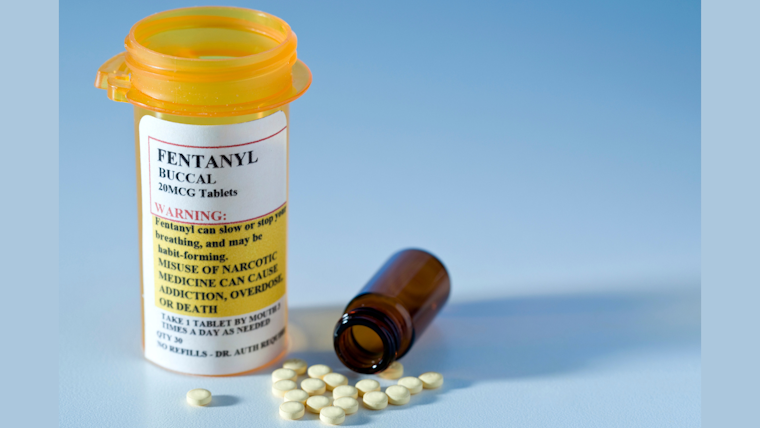
In the battle against the fentanyl epidemic sweeping across the nation, Fort Worth is beefing up its response with a multi-departmental approach, targeting both emergency treatment and drug enforcement measures, alongside educational initiatives to stem the tide of opioid-related fatalities, according to the City of Fort Worth.
Fentanyl, a synthetic opioid that dwarfs the potency of heroin and morphine, is a primary culprit in the alarming rise of overdose deaths in the U.S., as it is frequently laced with other drugs to enhance their effects. The Fort Worth Fire Department, Police, and Neighborhood Services are collaborating with external partners to tackle the issue head-on. The Fort Worth Fire Department, playing a crucial life-saving role, responded to around 1,000 suspected overdose or poisoning incidents annually in the fiscal years of 2022 and 2023, and in these encounters, firefighters often found themselves facing actual overdoses approximately 20% of the time.
Moreover, interventions by the Fort Worth Fire Department (FWFD) have seen an uptick in the administration of Narcan, an antidote for opioid overdoses, with a noticeable increase from 65% of incidents in FY22 to 75% in FY23, indicating the urgency and prevalence of such emergencies. The FWFD, having secured funds through the Neighborhood Services Department and partnerships with the UNT Health Science Center and Tarrant County MHMR, aims to launch multiple initiatives to educate the community and reduce opioid abuse, including community CPR and Narcan administration training, hygiene kit distribution, and the HOPE Team's follow-up and crisis intervention programs.
Fort Worth Police Department (FWPD), in its quest to stamp out the elusive threat posed by these synthetic toxins, has equipped officers with Narcan since 2017, training 412 people and dispersing 357 doses, 22 of which have been used to save lives in the field, per the shared details. In addition, the FWPD established a special squad of narcotics investigators in 2022 specifically to handle drug-induced overdose and fatality probes. Such a unit has responded to 98 overdose-related calls in 2023 alone, 76 attributed to fentanyl overdoses. The police have also had success on the legal front; in a groundbreaking case last year, a suspect was indicted on a murder charge for a fentanyl overdose, a first for Tarrant County.
Complementing the city's enforcement and emergency response, MedStar's overdose response team—which consists of a mobile health paramedic and a peer support specialist—has seen remarkable engagement, with 3,168 referrals between December 2021 and October 2023, and an average of 90 visits per month in 2023, the service is reaching out to hundreds in need. Aiding in the concentrated battle against this public health menace, an informative heat map has been released, highlighting areas such as Lancaster and Las Vegas Trail where these initiatives are most desperately needed.





