

























































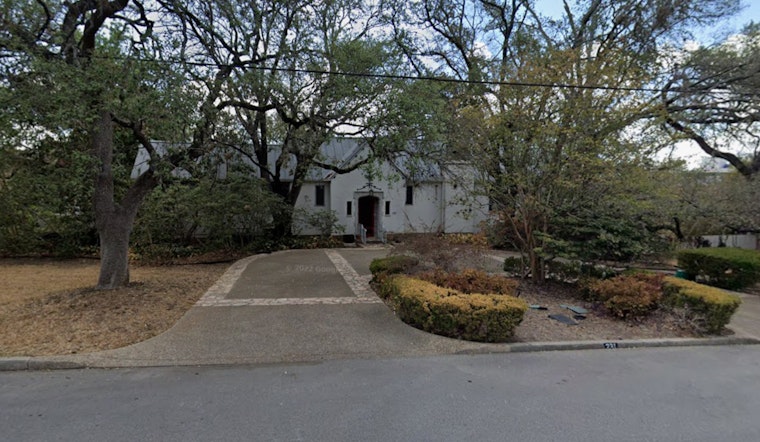
Alamo Heights, a quaint enclave celebrated for its century-old residences and rich history, is at a crossroads. The white stucco Tudor Revival-style home at 231 Encino Ave., built in 1922, faces demolition. Lisa Nichols, owner of custom home-building business Nic Abbey Homes, plans to replace the 7,000-square-foot house with two new homes. The decision has sparked a touchstone debate among the locals, who feel the teardowns are erasing the city's character.
Constructed by Adams & Adams, famed architects responsible for several San Antonio landmarks, this particular home was previously highlighted in a 1926 Architectural Digest predecessor. According to a San Antonio Report article, architect Michael Imber described the house as "unique, simple and elegant." He also mentioned, "It's a significant part of the character of Encino Avenue." Despite its historical value and being unoccupied for twelve years, Nichols contends, "It's really going to be tough to keep it and remodel it."
The Alamo Heights Architectural Review Board is reviewing Nichols' demolition request. Community members hope the board will acknowledge its historic importance but are hamstrung by state laws that limit the city's powers to prevent such demolitions. Preservationists like Sarah Reveley, who documented over 200 homes older than a century for the city's centennial, is among those calling for the creation of a historic district, as detailed in a San Antonio Report interview, to shield such houses from being bulldozed.
This controversy comes as Alamo Heights celebrated 100 years, marking its origin as a distinct community aiming to preserve its unique character from San Antonio's sprawl—immersing itself in centennial festivities, as one MySA report highlighted. Alamo Heights owes its start to figures like George W. Brackenridge and Clifton George Sr., who helped shape the city's landscape. Yet today, the very fabric of the neighborhood is being challenged as more historic homes fall to modern development.
This particular residence not only holds historical value but also personal significance, having been home to notable figures like Frank Lewis, dubbed the "father of Texas golf." Long-time resident and art patron, the late Margaret Block, cherished the home, with neighbor Suzanne Mathews asserting, "It’s irreplaceable," according to the San Antonio Report. The looming decision, thus, has stirred a debate, pitting development against preservation in a city well-known for its stately homes and historical charm.


