

























































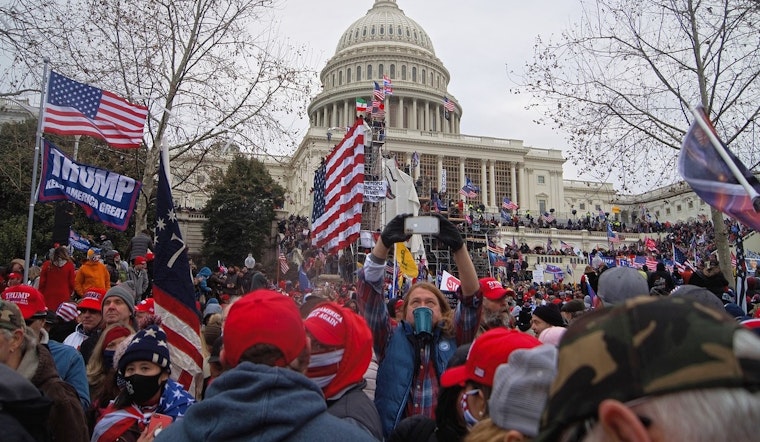
Three years have passed since the chaotic January 6th attack on the U.S. Capitol, an event that saw supporters of ex-President Donald Trump surge through the halls of democracy, seeking to dispute the 2020 election outcome. On this grim anniversary, Illinois politicians have expressed deep concern over the evolving perceptions of that day's events and the implications for upcoming elections.
According to NBC Chicago, Representative Mike Quigley described the assault as "perhaps the darkest day in our democracy since the Civil War." He recalls the pandemonium, "I remember sitting in the House Chambers, ready to certify the results of a fair and free election as mandated by the Constitution, a task Congress has done since the inception of the nation, and then all hell broke loose." A shift in mindset is noticeable, as a Washington Post-University of Maryland poll highlighted a drop in Republicans identifying January 6th as an insurrection, from 33% to a mere 13% over two years.
Meanwhile, former GOP Congressman Rodney Davis emphasized the preparedness of Capitol security. "I’m afraid, has not prepared for another January 6th type of situation," Davis told NBC Chicago, adding his voice to those concerned about future threats. Over at NPR Illinois, the focus shifted to the broader implications for American democracy, noting that despite facing criminal charges, Trump is pursuing a presidential bid and holds the position of the top Republican candidate for 2024.
Rep. Brad Schneider expressed unease about the controversies beyond Capitol Hill, "Within the Capitol itself, we have seen steps taken, what concerns me is outside the capitol, across the country, we still see too many people who falsely believe the election was, that there were irregularities," Schneider said in a statement obtained by NBC Chicago. He highlighted the need for resource allocation to law enforcement and called for a change in political discourse to allow for respectful conversation and unity.
With the election on the horizon, and over 1,200 individuals charged in relation to the January 6th attack, including misdemeanors and felonies, the question of America's path forward remains a contentious issue. Former President Trump, now charged with obstructing the congressional process among other counts, still asserts his eligibility to run for office, with "The voters need to decide who they want to be president," he stated. However, the somber reflection by officials suggests looming threats to the electoral process and the nation's democratic bedrock, as we inch closer to the polls in November.





_(retouched).jpg)