

























































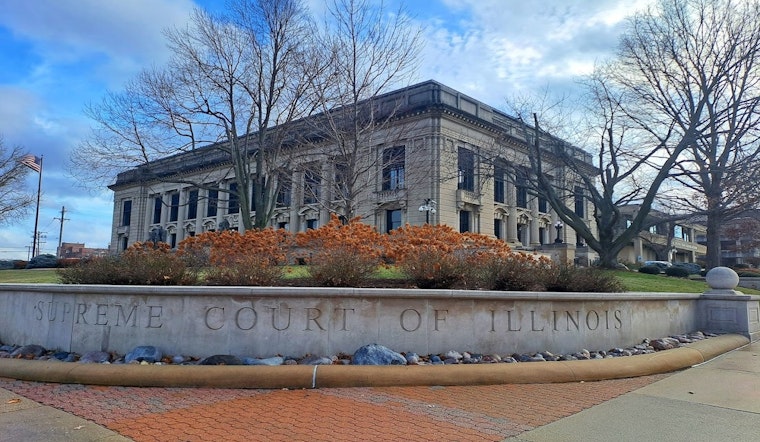
In a historic shift, the Illinois Supreme Court has upheld the constitutionality of the SAFE-T Act provision that abolishes cash bail. The decision, rolling out by a 5-to-2 margin, signals a transformative change allowing Illinois to take the lead nationwide in ending cash bail, according to a WLS report. This victory for reform advocates comes after the state's high court momentarily paused the enactment of this provision in response to several legal contests.
As the courts adapt to the new law and pivot away from wealth-based detention, appellate courts are experiencing a "dramatic increase" in appeals from detainees seeking release or disputing conditions placed upon them, as mentioned in a recent Sun-Times report. Since the implementation of the Pretrial Fairness Act in September, which facilitates these appeals, there has been a notable influx of cases, particularly within areas outside of Chicago, where the change is still settling in place.
This surge in court activity has necessitated the creation of a task force by the Supreme Court, comprised of appellate court justices, to scrutinize the issue. Set to convene in the coming weeks, the task force is assigned to deliver their findings within a brisk 45-day timeframe. Over 1,500 appeals related to detention and pretrial decisions have been filed since the abolition of cash bail, a spokesperson for the Supreme Court confirmed.
Meanwhile, the implications of the court's decision are vast. By stripping the power of wealth to decide who walks free and who remains behind bars, Illinois is altering the landscape of pretrial justice. "People charged with violent offenses should not be able to pay their way out of jail," Cook County State's Attorney Kim Foxx told the WLS, underscoring the reformation's intention to focus on public safety rather than financial status. The new law authorizes judges to detain individuals charged with certain felonies if they are deemed a danger, giving weight to the threat they may pose rather than their pocketbooks.
However, vents of criticism have emerged, with Senate Republican Leader John Curran voicing concerns about the law's limitations in an interview with the WLS. Curran contends that the SAFE-T Act dangerously constricts judges by not allowing them to consider a wider array of charges when assessing a defendant's threat to society. On the flip side, advocates and officials like Gov. JB Pritzker are hailing the Supreme Court's ruling as progress towards a more equitable Illinois, delivering a boon to efforts aiming to revamp the state's judicial operations.
While Illinois navigates this legal transformation and its repercussions ripple through the judicial system, the state's experiment with justice reform is far from over. With the ink still settling on the Supreme Court's decree and the wheels of change in motion, Illinois steps forward as a crucible for a reimagined approach to pretrial practices in America.





