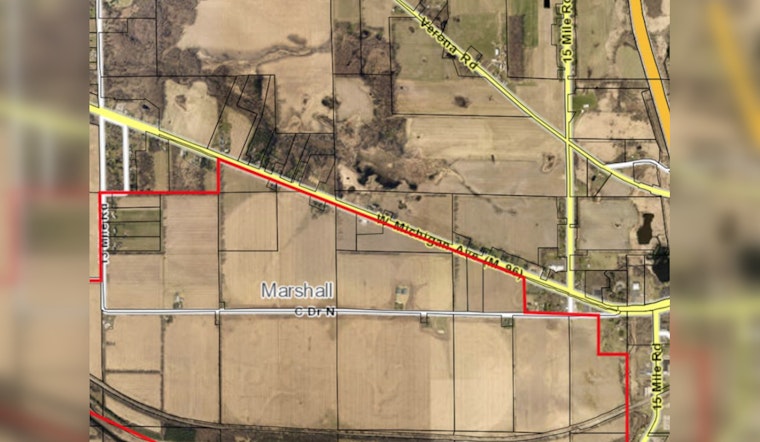
Efforts to throw a wrench into the works of a major Ford EV battery plant in Marshall, Michigan, have hit a roadblock as a Calhoun County judge dismissed a lawsuit aimed at stopping the development. According to a Detroit Free Press report, the judge ruled in favor of the local city clerk and the Marshall Area Economic Development Alliance (MAEDA), both of whom were targeted by the lawsuit filed by a local group calling themselves Committee for Marshall - Not the Megasite.
The resistant organization has indicated they are not ready to back down, with a spokesperson affirming their intention to continue the fight. "We’re not giving up. We think we have some good grounds for appeal," Regis Klingler told Detroit Free Press. This follows Ford's announcement that, despite an initial pause due to a UAW strike, the project will persist albeit with a scaled-down investment and reduction in job creation estimates from 2,500 to 1,700 positions.
Amid local concerns about the impact on the community and environmental implications, the project's future became a contentious local issue. The dispute centered on the rezoning of 700 acres for industrial use to facilitate the construction of the plant, a move that did not sit well with some Marshall residents. Nevertheless, MAEDA CEO Jim Durian expressed relief at quashing the lawsuit. "With this lawsuit now dismissed and behind us, we look forward to keeping this important project moving forward as planned," Durian stated in a press release obtained by WOODTV.com.
Despite the legal setback, the Committee for Marshall - Not the Megasite is steadfast in their opposition. "The fight is not over," the committee asserted through a release, indicating an appeal is imminent and discussions with its legal team are ongoing. On the economic front, Michigan's incentive package for the Ford project is expected to be revised downwards from $1.8 billion since the original terms based on job numbers and investment have changed, as Otie McKinley, a spokesman for the Michigan Economic Development Corporation, previously suggested to the Detroit Free Press. All eyes remain on Ford as it gears up to roll out the LFP battery cells beginning in 2026, aiming to drive down the cost of electric vehicles for consumers.