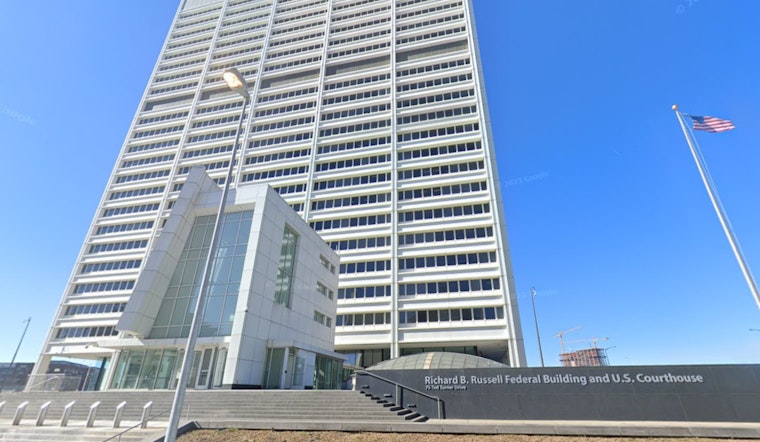
In a firm stand for Georgia's election law, U.S. District Judge J.P. Boulee has ruled against blocking the state's decision to slash the runoff election period from nine weeks down to four. Despite legal challenges and outcry from various voting advocacy and civil rights groups, including the U.S. Department of Justice, the plaintiffs failed to convince the court that the truncated timespan disproportionately harms Black voters or that there was any racial discrimination intent by Republican lawmakers when they enacted the measure back in 2021. The ruling, which came out on Friday, means that for now, the shorter period stands, even as the fight over the law's implications can still proceed to trial.
This court decision arrives amidst an ongoing battle over voting rights in the Peach State, following former President Donald Trump's narrow loss and his unsubstantiated claims of election malfeasance. According to FOX5 Atlanta, the judge pointed out that the plaintiffs provided no concrete evidence that the new early voting period would specifically to affect Black voters' ability to cast their ballots. Boulee acknowledged that Republican lawmakers may have been trying to strategically curtail new Democratic voters but noted that the legislation doesn't equally guard against partisan discrimination as it does against racial discrimination.
Georgia stands out among the states with its requirement for a majority vote to win in general elections, frequently pushing contests into runoff territory beyond the usual November election timeline. As noted in the article by AP News, this legal provision has resulted in several high-stakes runoffs in recent years, particularly as Georgia emerges as a battleground state. Critics argue that the shortened runoff period leaves insufficient time for voting by mail, early in-person voting, and could potentially give an unfair advantage to candidates less reliant on these methods, typically Republicans.
Georgia's Secretary of State Brad Raffensperger weighed in, supporting the court's decision and praising Georgia's electoral processes. "This ruling affirms what we have maintained all along — that Georgia’s Election Integrity Act is designed to ensure fair and secure elections for all citizens," Raffensperger stated, as reported by FOX5 Atlanta. Despite his defense of the current law, Raffensperger has proposed to altogether end general election runoffs. Meanwhile, the plaintiffs have yet to respond publicly to the latest ruling.
Previous decisions from Boulee have shown a willingness to temper some of the law's impacts, such as putting on hold criminal penalties for providing food and water to voters in line and blocking counties from rejecting ballots over missing birth dates on absentee envelopes. However, on other aspects such as the prohibition against distributing refreshments within 150 feet of polling places, and cutting off absentee ballot requests 11 days before an election, Boulee has refused to budge.