

























































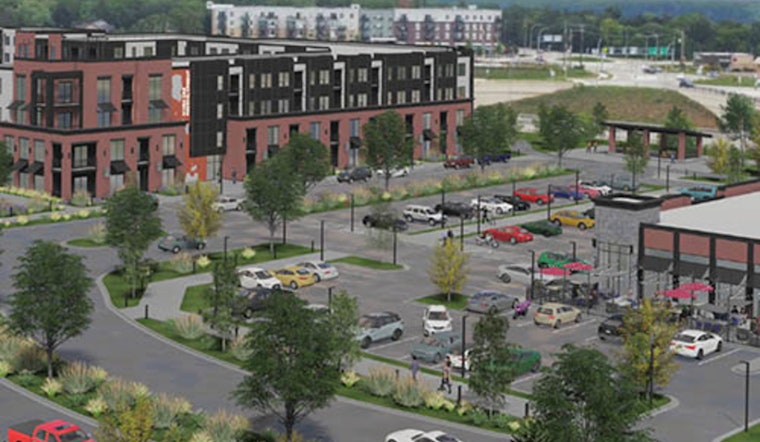
The Met Council is doling out a hefty $2.8 million across various metro cities, giving gritty, contaminated lands a second chance at life. Reported by the Met Council, this financial infusion is part of a broader initiative to transform neglected urban scapes into hubs of residential vitality and commercial growth — all whilst sweetening the pot for municipal tax coffers and spiking up property values in the surrounds.
Aimed to revitalize and repurpose acres of underutilized land, these funds are bringing to the foreground long-overlooked parcels of earth, rife with potential, yet languishing under the weight of their toxic legacies. According to the Met Council's announcement, this latest round of grants favored by the Livable Communities program, is set to sow the seeds for affordable housing — a commodity as in demand as it is scarce in today's market — alongside industrial and retail rejuvenation.
With a plan in action, Minneapolis and Saint Paul, among others, are primed to see the germination of new housing, complete with a share of affordable units. An artist's impression detailed by the Met Council, presents us with visions of Rice Street Crossings in Shoreview, and the future brims with 455 apartment units crowned with 9,000 square feet of retail expanse. While another foreseen beneficiary, the Gladstone Village in Maplewood, is geared up for a much-needed facelift, offering solace in the form of 65 affordable apartments following its clean up.
Enriching the local economies, the Livable Communities funds are more than just a cleanup crusade; they are a beacon for prosperity. Narrated by the Met Council, the investment pays dividends by removing environmental hurdles, thereby laying groundwork for development in places that fold seamlessly into the existing infrastructure fabric. The grants flung far and wide, from abating the toxic soils of South Saint Paul’s future Wakota Logistics Center to converting Minneapolis's defunct gas stations into abodes brimming with life.
Meanwhile, the eco-conscious initiative doesn't end there as the Met Council has also pinpointed areas that are ripe for revitalization, but which lag due to sparse building permit activity or a prevalence of low-wage jobs enveloping communities struggling beneath the mantles of poverty and systemic racial disparities. The SEED grant, for instance, allots $50,000 to Saint Paul's Hamm’s Brewery Redevelopment, igniting hope in places where it's needed most, the Met Council articulated, envisioning an urban renaissance that does more than reconstruct - it remakes.





