

























































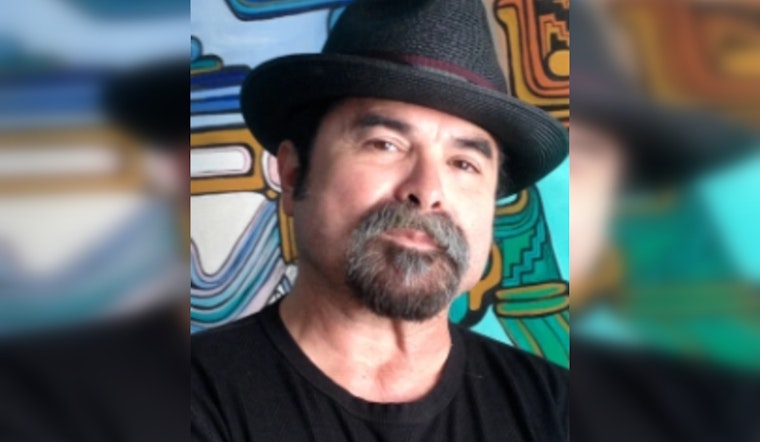
A new memoir and biography detailing the impactful life of the late Frank Tejeda Jr., a storied politician and war hero, has been penned by his brother Juan Tejeda, a known figure in the music and education scene of San Antonio, Texas. Juan Tejeda, musician and brainchild behind the Tejano Conjunto Festival, explores their family's deep connection to San Antonio, which spans at least nine generations, and remembers his brother's legacy both in and out of the political sphere.
In his work titled "Mi Carnal Frank," Juan Tejeda delves into the trials and achievements of his brother, who had to overcome a challenging start to not only earn multiple degrees from prestigious institutions such as St. Mary's University, the University of California at Berkeley, Harvard and Yale but also to represent Texas' 28th Congressional District. The biography highlights Frank Tejeda Jr.'s transformation from a disadvantaged youth to a decorated Vietnam veteran who earned accolades such as the Bronze Star, Purple Heart, and Silver Star. According to the San Antonio Report, Juan felt motivated to chronicle his brother's story a decade after his passing in order to properly honor his brother's unyielding dedication and significance to the local community.
Frank's commitment to education and its empowerment is a central theme in the memoir. "It’s a story of the importance of education that Frank really put a lot of his faith in," Juan Tejeda stated, pointing out his brother's belief in education as the cornerstone for success within society. The legacy of Frank Tejeda Jr.'s devotion to his hometown is visible through his instrumental role in the transformation of the former Brooks Air Force Base into the Brooks development – a feat commemorated by a public sculpture that artist Cruz Ortiz described as a tribute to "the ultimate representative" of the South Side, as reported by the San Antonio Report.
With the release of "Mi Carnal Frank," published by Flowersong Press in McAllen, the Tejeda story is shared amidst the backdrop of a burgeoning Chicano Movement. The memoir serves not only to trace the Tejeda family's San Antonio roots, including surnames like Martinez, Cisneros, and Lopez, but to also highlight the challenges and cultural shifts experienced while growing up in a city filled with emerging Chicano pride and activism. Juan Tejeda's intimate account promises readers a close look into the life of a man who consistently aimed to better his community and left a lasting mark on his city's landscape.





