

























































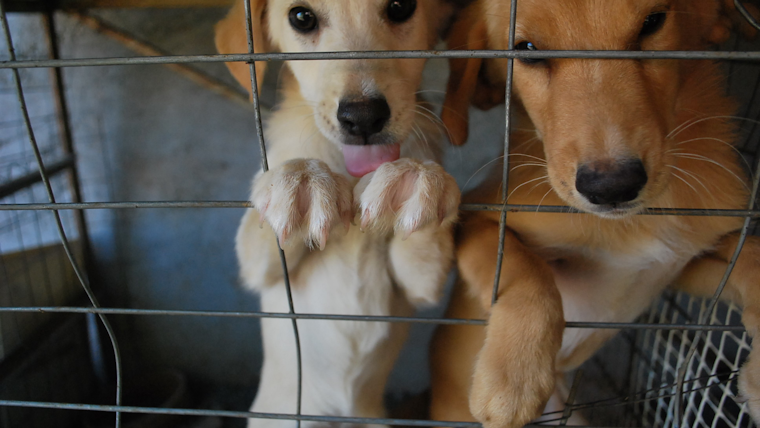
In a concerted effort to uplift the plight of homeless pets in Michigan, the Michigan Department of Agriculture and Rural Development (MDARD) has declared the allocation of $150,000 in grant money to assist local animal shelters. As per MDARD's announcement Monday, these grants, sourced from the Animal Welfare Fund, will underwrite various programs aimed at the welfare of animals in care, including spay/neuter initiatives.
This funding drive underscores the ongoing commitment of Michiganders, who generously donate to the Animal Welfare Fund while filing their state taxes. The recent windfall will benefit 22 shelters across Michigan, augmenting their capacity to nurture and provide for those creatures left to society's margins. Notably, the hand of aid reaches out to organizations like Best Pals Animal Rescue, which received $3,000, and Calhoun County Animal Shelter, which is bolstered by a $10,000 grant, per FOX 2 Detroit.
According to Mid-Michigan NOW, the financial injection comes in the wake of heightened demand for aid, with MDARD receiving 66 grant applications this year, collectively requesting north of $600,000. Nora Wineland, the State Veterinarian, emphasized the impact of these funds, stating, "The grants make a significant, positive impact on Michigan’s animals and the people who care for them." Her call to continue the generosity was clear as she appealed to the public's sense of responsibility toward their furry companions.
Patch added that since 2010, more than $1.9 million has been funneled to over 305 animal shelters, a testament to the robust support for animal welfare in the state. Among the recipients, Michigan Humane was awarded $3,000 to advance their cause. This continuing surge in grant requests underscores a growing societal acknowledgment of the intrinsic value of animal well-being—a sentiment articulated through the liberality of Michigan's tax-paying public.
The legislature-enabled fund augments local community efforts to educate about proper animal care, train shelter staff, and manage animal health. It's a circle of giving that starts and ends with the community itself—a mirror showing not avarice, but grace; not reticence, but the largesse of the human spirit.





