

























































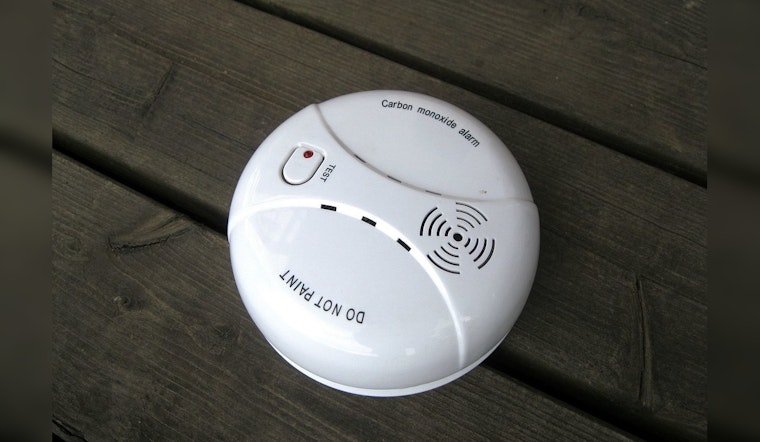
In a heartfelt initiative by a Minnesota man, who turned his loss into a community gain, thousands of homes will now be safer. William Sherk, a local business owner, has donated more than 700 carbon monoxide detectors this winter to help prevent tragedies similar to the one that claimed his son's life. Sherk's 21-year-old son, Keith, died of carbon monoxide poisoning in 2004 after unknowingly enclosing the home's furnace in his basement bedroom, making the peril personally agonizing for the father.
Amid the biting cold that necessitates the use of heating systems, which if faulty or misused can emit dangerous levels of carbon monoxide, these donations provide a crucial line of defense against the odorless killer. Sherk first began his mission to supply carbon monoxide detectors in 2013, a gesture he describes as stemming not from a place of joy, but one skewed by the pain of his past, CBS News Minnesota reported. "It's actually really sad, is what it is because it drums up all of the hurt that happened is what it does," Sherk told CBS News Minnesota.
The Centers for Disease Control and Prevention (CDC) states that at least 420 people die from carbon monoxide poisoning every year in the U.S., with thousands more sickened. Symptoms of poisoning can include fatigue, headaches, and trouble breathing, and without an alarm, many might not realize they're at risk until it's too late.
As part of his ongoing effort, Sherk, who owns Neighborhood Plumbing and Heating, worked with Home Depot and received support from other businesses in Chisago County to gather the devices. He believes it's his responsibility to ensure that families are aware of the silent, but deadly risks of carbon monoxide, especially given the economic pressures that force some to choose between safety and sustenance. "You can go, 'Okay, carbon monoxide detectors, or do I go ahead and buy something to eat?'" Sherk told CBS News Minnesota.
The effort resonates with Kathy Wills from Family Pathways, who attests to the difference the detectors make for families who visit the food shelves managed by the non-profit. "Families are struggling with food costs, they go to bed hungry," Wills explained to FOX 9 News. "I can imagine they in their home maybe don't have a working carbon monoxide detector, and they need it. So we're here to help save them and help get them safe."
The detectors have become a lifeline for many, and Sherk's contributions reflect a commitment to community well-being, borne out of a tragedy that has proven both painful and purposeful. Sherk remains steadfast in his resolve to avoid other families the anguish he endured, imploring, "Really make sure that the people you know have a working carbon monoxide detector because the life you could saved couldn't be closer than what you think," he pleaded according to FOX 9 News.



