

























































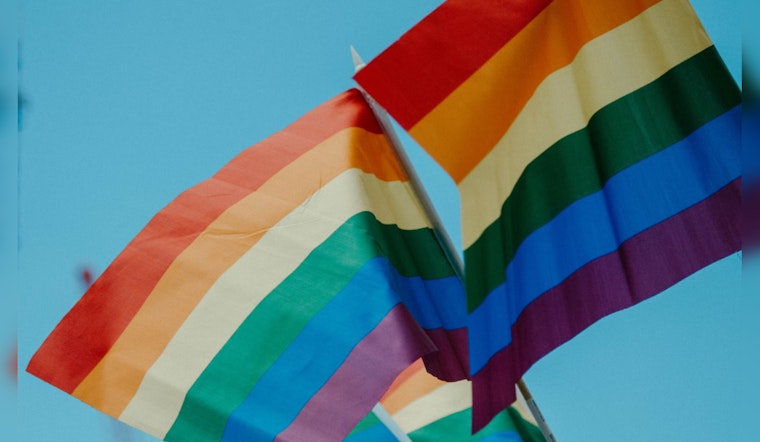
Yesterday, in an attempt to enforce the ideals of classroom neutrality, the Pembroke School Committee recently faced off with local community members over a proposal that would ban various political and social symbols, including Pride flags, from classrooms. The proposed measure, which aimed to expand existing regulations preventing political advocacy in schools, was prominently defeated in a unanimous decision by the committee.
According to a WHDH report, Acting School Committee Chair Susan Bollinger introduced the measure, drawing criticism from students, parents, and faculty alike. Bollinger's intent was to address concerns that educators are potentially overstepping bounds away from approved curriculum to put forth personal agendas. "Teachers should be helping the students how to think, not what to think," Bollinger clearly stated.
During the deliberation process, multiple individuals stepped forward to express their viewpoints. Don Brian, according to the WHDH coverage, supported the measure, suggesting it would guard against unwanted ideologies creeping into classrooms. Chris Ciano, conversely, saw the proposal as part of a "slippery slope" towards politicization within education, a concern mirrored by many who spoke against the proposed banner.
Some school committee members raised the possibility that adopting the measure could potentially lead to extensive legal battles. Student voices also resonated through the auditorium, including a senior who warned that removing the Pride flag might unintentionally deliver a message of non-acceptance, as detailed in an interview obtained by CBS Boston. "You may not realize what the adverse effects of removing this flag will produce," said Chris Regan, a senior at Pembroke High School.
The crux of the debate hinged on whether symbols like the Pride flag constituted as political advocacy or served as vital symbols of support and inclusivity within the educational framework. Erin Petty, a parent, ardently opposed the proposal to WHDH, claiming that "Making this move is wildly not neutral," and emphasizing the safety such symbols can provide to students in need. Ultimately, the consensus among those assembled and the school committee leaned heavily against the adoption of the measure, preserving the right to display a diverse array of symbols within Pembroke classrooms.





