

























































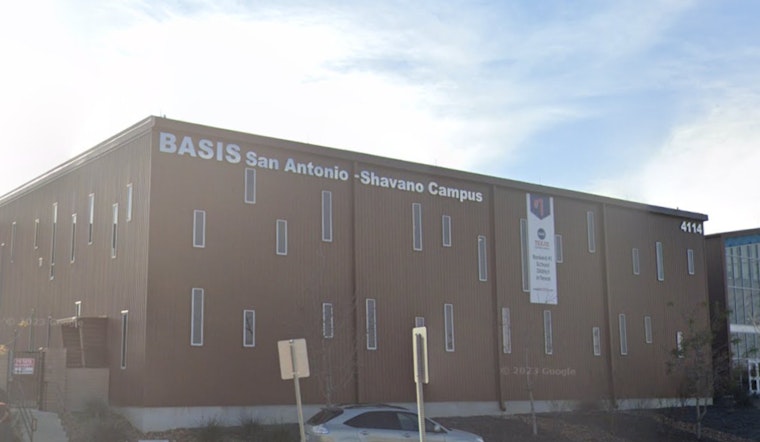
San Antonio schools are under the microscope after the latest findings from Children At Risk—a Houston-based education nonprofit—revealed a jolting disparity in school performances, as published in the San Antonio Express-News. Out of the 587 schools assessed, a meager 20 received top grades, while nearly half were dealt a less than passing hand, landing with either a "D" or an "F". The 2023 results have painted half of the lowest ten elementary schools state-wide as belonging to Bexar County, a stark benchmark of academic struggle within the region.
While scores across the board have seen fluctuation, the real talk of the town is Basis San Antonio Shavano Campus which has risen to seventh in the state among middle schools, a significant leap from the previous year when no San Antonio-area school entered the top 10; this according to the same source, data from these rankings pour in from STAAR scores analyzing raw achievement, relative achievement against poverty levels, and student growth, with the high schools also put to the test on college readiness.
The report card is not to be confused with the State's TEA ratings—though both use standardized test scores as their meter stick; San Antonio Express-News notes that Children At Risk has its own way of weighing those scores, adding nuances like the "Gold Ribbon" designation which applauds high-need campuses that shine brighter than their counterparts, though any schools with an enrollment application process have been taken out of the running this year in the organization's push to reward schools that take all comers as they are.
Yet, even with such distinctions, scores in San Antonio area schools have seen their ups and downs, some plunging by alarming margins—Mark Twain Dual Language Academy's tumble from a 79 to a mere 50, and Ed Franz in Judson ISD's fall from 61 to 32 are cases in point—but it's not all dismal, Devine Middle School in Devine ISD soared from a 27 to a 42.
In the shifting landscape of educational worth, the Schools Measure by Children At Risk offers not just grades but a rankling order of performance, all while the TEA remains focused on a broader spectrum including military and career readiness.




