

























































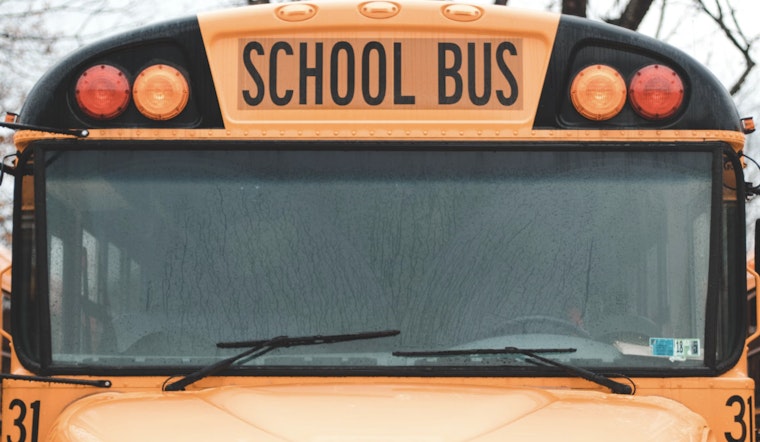
In a major push for cleaner transit, Congressman Joaquin Castro (TX-20) has secured a nearly $6 million windfall for the San Antonio Independent School District (SAISD) which is earmarked for the purchase of 15 low- and zero-emission school buses. This financial boost, sourced through the Infrastructure Investment and Jobs Act, aims to address the longstanding issue of air pollution in the district's surrounding communities.
Emphasizing the need for healthy living conditions for the district's youth and families, Castro declared the initiative as a "major step forward." After proudly voting for the Infrastructure Investment and Jobs Act more than two years ago, Castro believes these new buses will be instrumental in improving San Antonio's air quality, as reported by FOX San Antonio.
The announcement coincides with a national movement toward greener school transportation, backed by actions of U.S. Environmental Protection Agency (EPA) Administrator Michael S. Regan and President Biden's investments. Regan highlighted the positive impact of clean school buses on children's health and the environment, claiming that these policy-driven advancements will result in substantial benefits for the country's school districts. During a ride with students on their very first clean bus trip, Regan witnessed their enthusiasm firsthand, hinting at the transformative power of this initiative, according to Castro's official press release.
Fueling this push towards greener public school transportation is the EPA's Clean School Bus Program. With $5 billion in funding, the program is poised to make a significant dent in the nation's carbon footprint, aiming to replace older diesel buses with cleaner alternatives. This transition will not only mitigate greenhouse gas emissions but also circumvent the disproportionate effect of air pollution on communities of color, as stated in Castro's release. Announced in April 2023, the program's grants drew in applications en masse, leading to a significant increase in available funding to approximate $965 million nationally.
Such initiatives play directly into the Biden administration's Justice40 Initiative, which seeks to allocate 40% of the benefits from federal investments towards marginalized and polluted communities. The prioritized funding will mainly assist school districts located in low-income, rural, and Tribal areas, accounting for about 86% of the selected projects.


