

























































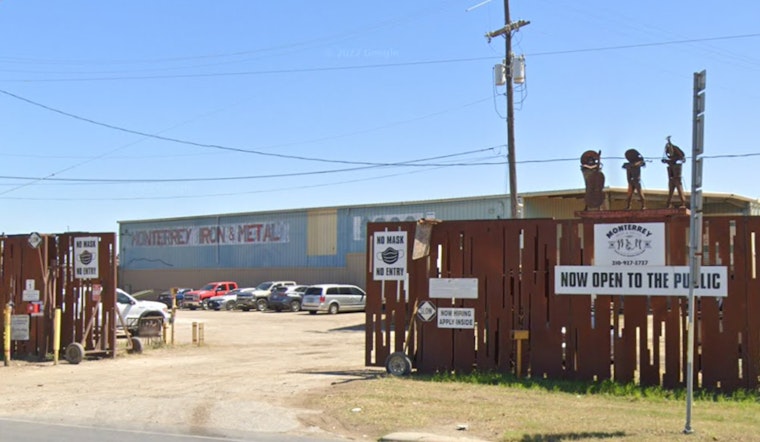
San Antonio's southwest side, a community accustomed to the clangor of metal and the hum of industry, finds itself in the midst of a health and environmental controversy as residents demand accountability for a series of fires at local recycling plants. District 4, home to most of the city's metal and recycling facilities, has witnessed a worrying trend of blazes since 2016. In September, a fire at Monterrey Iron & Metal raged for over 10 hours, enveloping the Thompson neighborhood in smoke and worry, reported KENS 5.
The increasing frequency of these infernos is not isolated to San Antonio, as recycling plant fires have blazed a dangerous trail across North America. Just recently in Richmond, Indiana, a plastics recycling plant fire forced a 2,000-person evacuation to escape the onslaught of toxic emissions and debris. These incidents have, unfortunately, become part of a grim statistic with 390 major fires hitting plants in the U.S. and Canada in 2022 alone, according to Ryan Fogelman of Fire Rover. Fogelman, who has been tracking these fires through media coverage since 2016, estimates that with underreporting, the real figure could be closer to 2,400.
Several factors contribute to the increasing risk of recycling plant fires. An expanding number of facilities to meet the growing demand for recycling, the introduction of new hazardous materials in the recycling stream, and shifts in global waste management practices all play a role, as reported by TIME. Compounded by hotter, drier climates, the conditions are ripe for such disasters, which are starting earlier each year.
In San Antonio, the community and officials like Councilwoman Castillo are pushing for a multifaceted response to address these incidents. Seeking collaboration with state leaders, Castillo aims for stronger enforcement and accountability for metal recyclers. Meanwhile, State Senator José Menéndez spotlighted the need for stringent regulatory compliance, stating, "This is not a witch hunt against anybody. Recycling is an important thing so that things stay out of the landfill. It's a good thing. But as long as it's done in a safe way, where we don't have these explosions, we don't have the fires," as told to KENS 5. Menéndez has met with Texas Commission on Environmental Quality (TCEQ) representatives and confirmed there are no federal clauses excusing plants from compliance due to their age.
The next steps in San Antonio include Castillo's request to be added to an agenda for council briefing, followed by the creation of an ad hoc committee involving various stakeholders to review city codes. This proactive approach, coupled with potential statewide policy modifications, could pave the way for safer recycling practices and, subsequently, a more certain future for the city's blighted southwest-side communities.





