

























































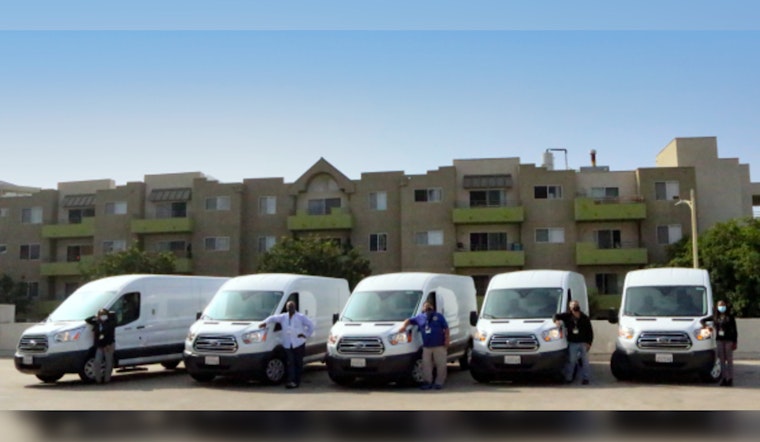
In a significant push to tackle mental health crises and homelessness on the streets of Santa Monica, the city has rolled out a new therapeutic transport initiative in collaboration with the Los Angeles County Department of Mental Health, as reported by the city's official press release.
Launched as a pilot program, this innovative approach sees a dedicated team of behavioral health professionals joining first responders on 911 and non-emergency calls to offer specialized mental health care. The new resources have come as a part of a broader strategy for addressing the homeless situation through a more coordinated approach and this team, which operates five days a week, is expected to act as a bridge between immediate crises and sustained support services.
Mental health concerns are being taken to the streets, where a van staffed by a driver, a peer support specialist, and a clinical social worker will initially provide eight-hour coverage each day, moving towards a long-term goal of 24/7 support as stated by Santa Monica Mayor Phil Brock, "This pilot allows us to provide a meaningful and appropriate level of response to support someone experiencing a mental health crisis," Mayor Brock said in the official statement.
The specially trained teams will have the authority to carry out psychiatric transports to urgent mental health care facilities or hospitals as well as the power to impose a critical 72-hour psychiatric hospitalization for individuals posing a danger to themselves or others and with an initial focus on the downtown area there are plans for quick expansion across the city, providing coverage for a range of scenarios from suicidal individuals to those struggling with post-traumatic stress disorder due to homelessness.
Dr. Lisa Wong, Director of the Department of Mental Health, emphasized the significance of real-time mobile response collaboration, "The Department of Mental Health is proud to collaborate with the city of Santa Monica to expand mental health services through this real-time, mobile resource aimed at meeting critical needs on the Westside," as she highlighted the initiative's potential impact in a city press release.
Funding for the project includes $464,000 from the Santa Monica City Council and $1.7 million from the County of Los Angeles, part of a resolution to address homelessness and bolster mental health resources effectively in the community. Los Angeles County Supervisor Lindsey P. Horvath praised the efforts as evidence of the power of Measure H and the county’s emergency declaration for homelessness, expressed through innovative solutions like the therapeutic transport program for providing care directly to those in need.





