

























































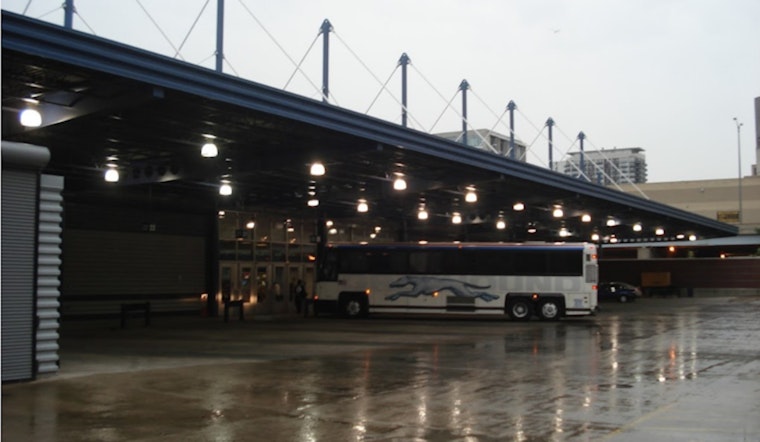
A Texas transportation company has filed a lawsuit against Chicago, aiming to strike down the restrictions on dropping off migrants, calling the city's rules a blockade against those seeking sanctuary. In a legal dispute cast against the backdrop of a national conversation on immigration and local infrastructure, Irving-based Wynne Transportation is taking a stand against Chicago and its recently implemented ordinances governing the arrival of asylum-seekers.
According to the Chicago Tribune, the lawsuit filed earlier this month claims the city violates both federal and state laws. The municipal policy in question requires bus companies to secure prior approval before dropping off migrant passengers at a designated West Loop location, during business hours and restricts the quantity to just two buses per day. As fall turned to winter and the temperatures plunged, the city council aimed to avoid "inhumane treatment" of asylum-seekers with the threat of steep fines and possible impoundment for violators.
A bone of contention in this legal back-and-forth is the city's contention, that the rules were put in place to ensure the safety of arriving migrants and to organize unexpected bus arrivals. The mayor's office has remained silent on the pending suit, keeping in line with city policy. However, a statement obtained by WLS recounts the pleas of Illinois Gov. JB Pritzker to Texas Gov. Greg Abbott, asking for a cessation of migrant dispatches amid brutal Midwestern winters.
Despite these efforts, Wynne Transportation’s attorney Michael Kozlowski has described the city's fines - ranging between $2,000 to $10,000 - as a significant burden on the business. "It’s clearly directed at migrants," Kozlowski told the Tribune. "Every single one of these passengers wanted to go to Chicago." He is pushing back against what he views as measures to prevent migrants from reaching their intended destination rather than ensuring their safe arrival.
The company's legal motion not only seeks to do away with the disputed limitations but also aims to recoup financial damages and legal fees incurred. The outcome of the lawsuit could signal a critical juncture in the ongoing dialogue of how cities handle the inflow of migrants amidst political maneuvers and humanitarian concerns.




