

























































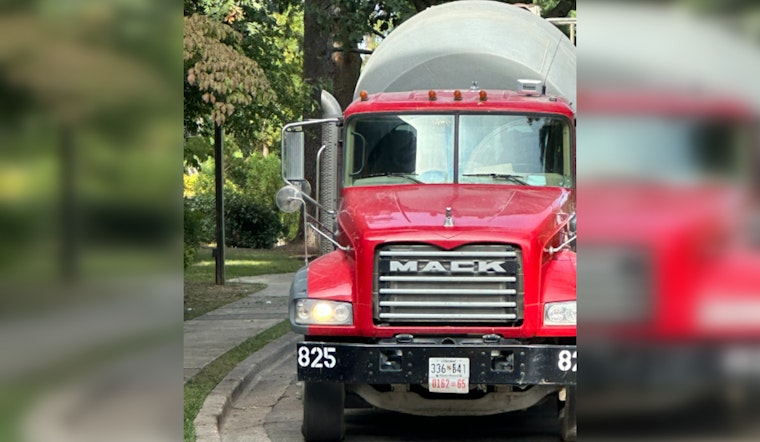
After a wave of complaints from residents and inquiries from federal officials, the Texas Commission on Environmental Quality (TCEQ) has rolled out tighter regulations for concrete batch plants. The state agency has mandated, effective immediately, that these plants increase buffer zones, limit stockpiles, slash production, and implement stricter dust controls following a public outcry over health concerns. These new standards, reported by the Houston Chronicle, aim to mitigate the risks to nearby residents who have been vocal about the dangers posed by these facilities, particularly the fine particulate pollution and crystalline silica dust known to lead to respiratory and cardiovascular problems, and even cancer.
Despite these newly set boundaries, some grassroots organizations argue the measures don't go far enough. Jennifer Hadaiya, executive director of Air Alliance Houston, expressed relief about the updated air quality analysis and protectiveness review but noted that current facilities only need to comply when their permits are up for renewal. "Both of those analyses are better than what has been done in the past," Hadaiya said to the Houston Chronicle. However, Amy Dinn, a legal director who's gone to court against the TCEQ, highlighted that "the TCEQ doesn't actually require them to report if they're in compliance with those requirements or not," while mentioning that the agency seldom inspects the facilities.
The new rules state clear production rate limitations and mandate twice the prior setback distance for machinery in certain areas, including Harris County. Citing statistics, Josh Leftwich, the head honcho of the Texas Aggregate and Concrete Association, said the new annual production cap would hardly pinch the average plant, given their outputs generally fall below the 650,000 cubic yards threshold. Despite Leftwich's apparent ease with the changes, "I think it's a good update to the standard permit," he remarked on the finalization of the TCEQ process.
But it doesn't end there; an upgrade to national standards on fine particle pollution by the U.S. Environmental Protection Agency could soon upend these new state-level regulations. TCEQ's very own head man, Jon Niermann, issued a heads-up about a probable need to revise the rules in tandem with the federal updates – which could land at any time. The situation remains fluid, as a spokesman noted the agency would stack up the new rules against the forthcoming EPA standards to assess the necessity for another round of amendments.
About the process of adopting these amendments, the TCEQ provided multiple avenues for public input, as detailed on its website. The proposal was showcased in both English and Spanish in several newspapers, and stakeholder meetings took place in cities across Texas. Residents had the chance to drop comments in person or in writing, but formal responses to input given at these informational gatherings weren't promised.



